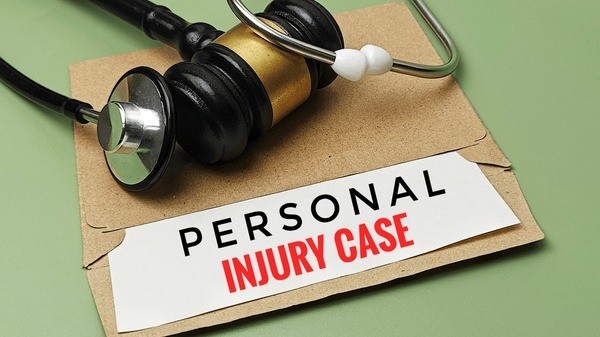

A patient walks into a hospital expecting answers and leaves with a life-changing injury instead. For some families, the damage […]
A patient walks into a hospital expecting answers and leaves with a life-changing injury instead. For some families, the damage comes from a known medical risk. For others, it happens because a preventable mistake was made along the way.
When something feels wrong after medical treatment, it can be difficult to know whether the outcome was unavoidable or the result of negligence. Speaking with experienced Tampa medical negligence lawyers may help patients understand whether their injuries were caused by a healthcare provider who failed to meet accepted medical standards.
Healthcare professionals work hard every day to provide safe, effective care. Still, preventable medical errors continue to affect patients throughout Florida and across the country.
“Not every bad outcome is malpractice. The key question is whether the medical provider followed the accepted standard of care.”
When a Bad Medical Outcome Does Not Mean Medical Negligence in Tampa
Medicine is never predictable.
A surgery performed at a Tampa hospital may not produce the expected results. A treatment may fail. Some illnesses become more serious despite proper medical care.
Those situations alone do not establish malpractice.
Medical negligence occurs when a doctor, nurse, hospital, or other healthcare provider fails to provide the level of care that another reasonably competent professional would have delivered under similar circumstances. The patient must also have suffered a personal injury that is directly linked to that mistake.
A poor outcome and medical negligence are not always the same thing.
Warning Signs Tampa Patients Should Never Ignore
Patients often realize something feels unusual before they understand exactly what happened.
Some situations deserve a closer look.
- A diagnosis changes dramatically after seeking another opinion.
- Surgery is performed on the wrong body part.
- Serious symptoms are dismissed without proper testing.
- Medication causes preventable complications because the wrong drug or dosage was prescribed.
- Medical staff fail to respond to obvious changes in a patient’s condition.
- Medical records contain missing information or conflicting documentation.
- Different healthcare providers give conflicting explanations about the same event.
For Tampa patients, one warning sign alone may not prove negligence. Several together may justify having the medical records reviewed.
How Misdiagnoses Can Affect Patients Across Tampa
Some of the most serious medical malpractice claims begin with a missed or delayed diagnosis.
Cancer may go untreated.
A stroke may not be recognized quickly enough.
An infection may spread because warning signs were overlooked.
The longer treatment is delayed, the greater the chance of permanent harm.
Patients throughout Tampa who receive conflicting diagnoses or experience unexplained delays should consider asking questions and obtaining another medical opinion.
“The right diagnosis at the right time often changes the outcome.”
Surgical Errors That Can Lead to Tampa Medical Malpractice Claims
Every operation involves risk.
Patients understand that before surgery begins.
What they do not expect is a preventable mistake.
Examples include operating on the wrong body part, leaving surgical instruments inside the body, damaging healthy organs unnecessarily, or failing to monitor complications after surgery.
Some complications cannot be prevented.
Others may result from poor planning, communication failures, or departures from accepted surgical practices at Tampa medical facilities.
Medication Mistakes That Put Tampa Patients at Risk
Medication errors can occur at several stages of medical care.
A physician may prescribe the wrong medication.
A pharmacist may dispense the wrong prescription.
Hospital staff may administer an incorrect dosage or overlook dangerous drug interactions.
According to the U.S. Food and Drug Administration, medication errors can occur during prescribing, dispensing, or administration and remain an important patient safety concern.
Patients should always ask questions if a medication looks unfamiliar or causes unexpected side effects.
Birth Injuries and Medical Negligence in Hospitals
Pregnancy and childbirth require careful monitoring from beginning to end.
Doctors and nurses must respond quickly when warning signs appear.
Delays in performing an emergency delivery, failure to recognize fetal distress, or improper use of delivery instruments may result in permanent injuries affecting both mother and child.
Families throughout Tampa who experience unexpected birth injuries often benefit from having their medical records reviewed by qualified professionals.
Why Communication Breakdowns Matter in Healthcare
Modern healthcare depends on teamwork.
Doctors, nurses, specialists, pharmacists, and technicians all share responsibility for patient care.
When communication breaks down, mistakes become more likely.
Important test results may never reach the treating physician.
Critical allergies may be overlooked.
Shift changes may leave out essential information.
Emergency symptoms may not receive timely attention.
Small communication failures sometimes lead to life-changing injuries for patients.
Steps Tampa Patients Can Take After Suspected Medical Negligence
If something does not seem right, begin gathering information instead of making assumptions.
Request complete medical records.
Save prescriptions, discharge instructions, and appointment summaries.
Write down symptoms as they develop.
Take photographs when visible injuries exist.
Seek another medical opinion if your condition continues to worsen.
For anyone receiving treatment, preserving medical records early can make it easier to understand what happened and whether accepted medical standards were followed.
How Medical Experts Evaluate Malpractice Cases
Unlike many personal injury cases, medical malpractice claims rely heavily on expert review.
Physicians with experience in the same specialty examine treatment decisions, diagnostic testing, surgical reports, and hospital records to determine whether accepted medical standards were followed.
The Florida Department of Health provides information about healthcare regulation, professional licensing, and patient resources that help patients better understand Florida’s healthcare system.
“Strong medical malpractice cases are built on evidence, not assumptions.”
Protecting Your Rights After Medical Negligence
Medical care should improve a patient’s health, not leave them facing preventable injuries.
While not every complication results from negligence, warning signs such as missed diagnoses, surgical mistakes, medication errors, communication failures, and unexplained changes in treatment deserve careful attention.
For residents, acting promptly can make an important difference. Preserving medical records, documenting symptoms, and seeking qualified legal guidance can help determine whether an unexpected medical outcome was an unavoidable complication or the result of negligence. Understanding your rights is often the first step toward protecting both your health and your future.
