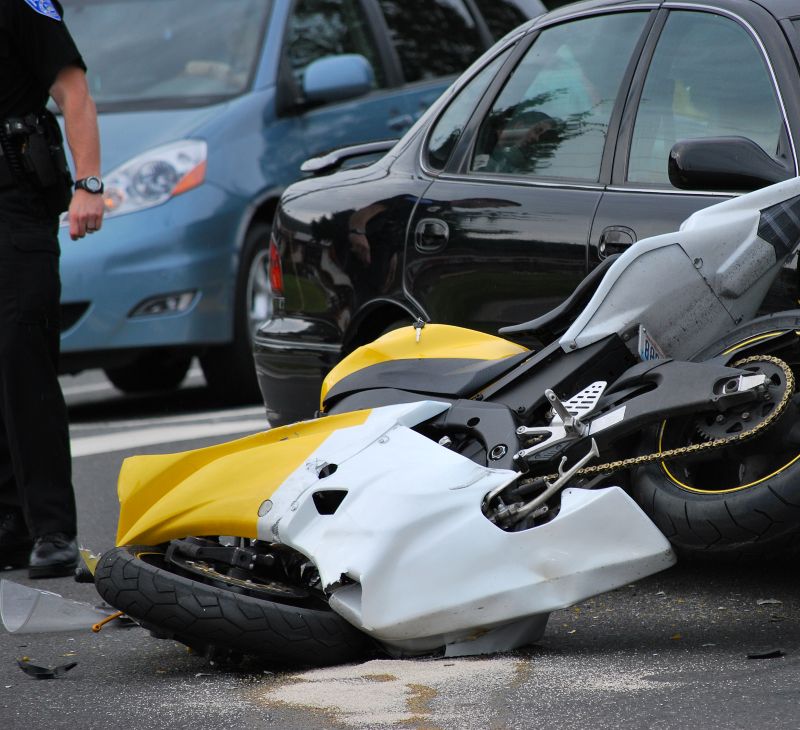

Minimum liability coverage checks a legal box. It doesn’t come close to covering what a serious motorcycle crash actually costs. […]
Minimum liability coverage checks a legal box. It doesn’t come close to covering what a serious motorcycle crash actually costs. That gap is one most riders never think about until they’re staring at a stack of medical bills, wondering why “being insured” didn’t mean what they thought it did.
This post walks through what minimum liability insurance really pays for, why it tends to fall short for motorcyclists in particular, and what you can do about it before you’re ever in that position. Since the rules differ depending on where you live, it’s worth knowing the specifics for your state — this breakdown of motorcycle insurance requirements in Utah is a good starting point if you ride there.
For a broader look at how often motorcycle crashes turn serious in the first place, the National Highway Traffic Safety Administration’s motorcycle safety data lays out the national numbers. What Minimum Liability Coverage Actually Covers
Here’s the short version: it pays for the other person, not you. Minimum liability coverage pays for injuries and property damage you cause to someone else. It does not touch your own medical bills or your bike.
Every state sets its own floor for these limits, and that floor is exactly what it sounds like — a minimum, not a cushion.
Breaking it down:
- Bodily injury liability – Covers the other party’s medical costs if you’re at fault.
- Property damage liability – Covers repairs to the other person’s vehicle or property.
- Everything that happens to you – Your ER visit, your lost paychecks, your motorcycle — none of it is covered unless you’ve added extra protection, like medical payments coverage, uninsured/underinsured motorist coverage, or collision coverage.
So if you’re the one who ends up hurt, your own minimum liability policy won’t help you. It exists to protect the other driver, not you.
Why Motorcycle Crashes Cost More Than Minimum Policies Anticipate
Injuries are usually worse than in a car accident
There’s no metal shell around a rider, no airbag, no seatbelt absorbing the impact. That’s why motorcyclists tend to walk away — or get carried away — with more serious injuries: traumatic brain injuries, spinal damage, road rash bad enough to need skin grafts, complicated fractures. Federal crash data shows motorcyclists made up 16% of all traffic fatalities in 2024, despite representing a small fraction of vehicles on the road — a gap that reflects just how little protection a rider has compared to someone in a car. One ER visit plus surgery plus follow-up care can pass $50,000 fairly easily, and that’s before rehab or missed work even enters the picture.
A lot of state minimums haven’t kept up
Many of these limits were set years, sometimes decades, ago. Medical costs have moved on since then; the minimums often haven’t. A limit that sounded reasonable when it was written might now cover a fraction of one hospital stay.
A single crash rarely produces a single bill
Ask anyone who’s been through it: the costs stack up from every direction. A rider might be dealing with:
- Emergency transport and hospitalization
- Surgery and physical therapy
- Wages lost during recovery
- Permanent disability or reduced ability to work
- A totaled motorcycle
- Pain and suffering
Minimum liability coverage was never designed to stretch across all of that at once — because it wasn’t designed for you in the first place.
The Underinsured Driver Problem
Here’s where things get worse: sometimes it’s not your coverage that falls short, it’s the other driver’s. If someone causes a crash while carrying only the state minimum, their policy can run dry fast — and the rider is left covering whatever’s left over, unless they’ve got their own uninsured/underinsured motorist (UM/UIM) coverage in place.
This is one of the most common gaps riders discover, and they almost always discover it after the crash, not before.
What Riders Can Do to Close the Gap
Add uninsured/underinsured motorist coverage
This is the fix for the scenario above. It protects you when the at-fault driver has too little insurance, or none at all. For motorcyclists, it’s arguably the single most valuable add-on out there, given how often underinsured drivers are the ones causing the crash.
Add medical payments (MedPay) coverage
MedPay pays your medical bills regardless of fault, and it usually moves faster and with less back-and-forth than a liability claim.
Know your state’s actual requirements
Minimums and available add-ons aren’t the same everywhere, so it’s worth confirming what your policy is required to include — and where it stops short.
Don’t stop at the minimum on your own liability limits
If you’re ever found at fault in a bad crash, low limits can leave you personally on the hook for whatever your policy doesn’t cover. Bumping up those limits usually costs far less than the exposure it removes.
What to Do If You’re Already Dealing With This
Maybe you’re past the “prevention” stage and already sitting with bills that outpace what any policy is offering to pay. You still have options.
- Document everything — medical records, repair estimates, pay stubs showing missed work. All of it matters later.
- Don’t jump at the first settlement offer. Once you sign, you usually can’t come back for more, even if new costs show up.
- Talk to an attorney who handles motorcycle cases. They can spot recovery sources you might not know exist, from UM/UIM coverage to third-party liability.
What This Means for You
Minimum liability coverage satisfies the law. It rarely satisfies the actual cost of a motorcycle crash. Understanding that gap ahead of time — and filling it with the right add-ons — is one of the most useful things a rider can do before ever needing to file a claim. And if the crash has already happened, knowing your options is often what separates covering your losses from absorbing them alone.
