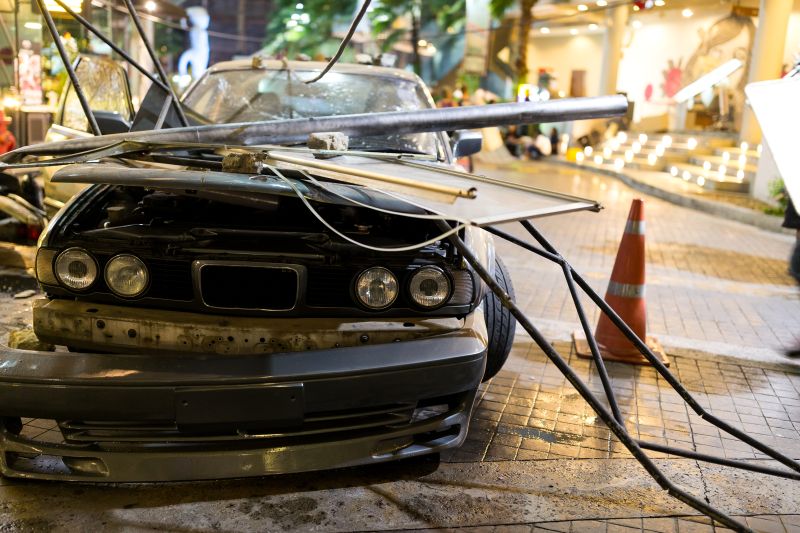

When a car crashes into a storefront in Austin, it feels like something out of a movie. One moment, everything […]
When a car crashes into a storefront in Austin, it feels like something out of a movie. One moment, everything is normal: shoppers browsing, employees working the register, and the next, a vehicle has smashed through the front wall. These crashes happen more often than most people think, and they leave victims with serious injuries, medical bills, emotional trauma, and a lot of unanswered questions. If you were inside that store when it happened, whether as a customer or a worker, you have legal rights worth knowing about.
What Happens When a Car Hits a Store
A storefront crash is not a minor fender-bender. When a vehicle hits a retail building, it usually happens fast and without warning. Glass shatters, shelving collapses, displays get knocked over, and people get hit by both the car and flying debris. In Austin’s busy retail corridors, strip malls, shopping centers, and standalone shops, these crashes happen due to driver error, medical emergencies behind the wheel, faulty brakes, or poorly designed parking lots.
The injuries from these incidents tend to be severe. People suffer broken bones, head trauma, cuts from glass, spinal injuries, and crush injuries from being pinned against fixtures or walls. Some injuries show up days later, which makes it even more important not to dismiss how you feel right after the crash. Getting checked out medically is always the right first move, no matter how okay you think you are in the moment.
These crashes also create property damage, lost business income, and significant emotional distress for everyone involved. Texas law gives victims a path to recover compensation for all of it.
Who Can Be Held Responsible
More than one party can share responsibility when a car crashes into a store. Here are the most common liable parties:
- The driver: If they were distracted, impaired, speeding, or simply made a serious error in judgment, they are likely the primary responsible party.
- Vehicle owner: If someone else owned the car being driven, the owner may share liability depending on the circumstances.
- Employer of the driver: If the driver was working at the time (making a delivery, running a work errand), their employer can be held liable under Texas law.
- The property owner or store: If the parking lot had a dangerous design, missing safety barriers, or no protective bollards, the store or building owner may have contributed to the crash.
- Car manufacturer: In cases where a mechanical failure, like brake malfunction, caused the crash, the vehicle manufacturer or a parts maker could face a product liability claim.
Texas follows a proportionate liability system. That means even if multiple parties share fault, each one pays according to their percentage of responsibility. You can still recover damages as a victim even if you had some small share of fault, as long as your percentage is below 51%.
Rights Customers Have After a Storefront Crash
If you were shopping, browsing, or just passing through when the crash happened, you are considered a business invitee under Texas law. That status gives you strong legal protections. Store owners owe a duty of care to customers on their property, and that includes keeping the space reasonably safe.
Customers injured in a retail car crash can typically pursue compensation from the driver, the property owner, or both. You do not need to be hit directly by the vehicle. If you were injured by falling merchandise, glass, structural debris, or in the chaos of escaping the scene, you may still have a valid claim. To protect your rights and explore your legal options, it is important to get help from an experienced lawyer as soon as possible.
Key things for customers to do after the incident:
- Seek medical attention right away, even for injuries that seem minor
- Get the names and contact information of witnesses at the scene
- Take photos or video of the damage, the vehicle, and your injuries
- Report the incident to store management and ask for an incident report
- Avoid giving recorded statements to insurance companies before speaking to an attorney
Rights Employees Have After a Storefront Crash
Workers injured in a storefront crash have a slightly different set of options. Texas is the only state that does not require most private employers to carry workers’ compensation insurance. That matters a lot here.
If your employer does carry workers’ comp, you can file a workers’ compensation claim to cover your medical expenses and a portion of lost wages. However, workers’ comp typically limits what you can recover. It does not cover pain and suffering, and it bars most lawsuits against the employer directly.
If your employer does not carry workers’ comp, which is common in Texas. You have the right to sue the employer directly in civil court. You can also file a personal injury claim against the driver and any other third parties responsible for the crash. That opens the door to fuller compensation, including lost income, medical costs, and non-economic damages like emotional distress.
Employees should also know their rights on the job. You cannot be fired or retaliated against for reporting a workplace injury or filing a legal claim. Texas law offers protections against that kind of retaliation.
How Compensation Works in Texas Storefront Crash Cases
Texas personal injury law allows crash victims to recover several types of damages. What you can claim depends on the specifics of your case, your injuries, and who was at fault. Common categories include:
- Medical expenses: Emergency care, hospital stays, surgeries, follow-up visits, physical therapy, and future medical costs related to the injury
- Lost wages: Income you missed while recovering, including future earnings if your injuries affect your ability to work long-term
- Pain and suffering: Compensation for physical pain and the emotional impact of the crash and recovery
- Property damage: Personal belongings damaged or destroyed in the incident
- Punitive damages: In cases where the driver acted with extreme recklessness or was intoxicated, Texas courts can award additional damages as a penalty
Texas has a two-year statute of limitations for personal injury claims. That means you generally have two years from the date of the crash to file a lawsuit. Waiting too long can permanently bar you from recovering anything, so acting quickly is important.
Steps to Take Right Now If You Were Injured
Getting your legal rights protected starts with action. Here is what to focus on after a retail storefront crash in Austin:
- Document everything: Photographs, medical records, witness statements, and any communication with the store or insurance companies all matter.
- Keep a journal: Write down your symptoms, pain levels, missed work days, and how the injury affects your daily life. This record becomes valuable evidence.
- Do not settle fast: Insurance companies often reach out quickly with low offers. Accepting early means giving up rights to future claims if your condition worsens.
- Talk to a personal injury attorney: Many Austin attorneys who handle these cases work on contingency, meaning you pay nothing unless they win for you.
No one expects to walk into a store and get hit by a car. When it happens, the situation is chaotic and overwhelming. Knowing your rights, taking the right steps, and working with someone who understands Texas personal injury law can make a serious difference in your recovery, both physically and financially.
Your Recovery Matters More Than You Think
A car plowing into a storefront is a traumatic event, and the aftermath can feel just as overwhelming as the crash itself. Between dealing with injuries, missing work, and facing pushy insurance adjusters, it is easy to feel like the system is working against you. It is not, you just need to know how to work within it.
Austin has experienced personal injury attorneys who handle exactly these kinds of cases. They know Texas liability law, they understand how to build a strong claim against multiple parties, and many of them charge nothing upfront. You have a limited window to act, so the sooner you get informed and take that first step, the stronger your position will be.
Whether you were a customer grabbing groceries or an employee clocking in for your shift, what happened to you was not your fault. You deserve fair compensation, proper medical care, and the chance to move forward without carrying the financial weight of someone else’s negligence.
FAQs
What should I do immediately after a car crashes into a storefront where I was present?
First, seek medical attention right away, even for minor injuries. Then, gather witness contact information, take photos of the scene and your injuries, report the incident to store management, and avoid giving recorded statements to insurance companies until you’ve spoken with an attorney.
Who can I hold responsible if I’m injured by a car crashing into a store?
Liability can fall on multiple parties, including the driver, the vehicle owner, the driver’s employer (if they were working), the store or property owner (if the premises were unsafe), or the car manufacturer (if a mechanical failure occurred). Texas follows a proportionate liability system, so even if you share some fault, you may still recover damages.
As an employee injured in a storefront crash, what are my options for compensation?
If your employer has workers’ compensation insurance, you can file a claim for medical expenses and a portion of lost wages. If they don’t, you have the right to sue your employer directly and file a personal injury claim against the driver and other responsible parties for full compensation, including non-economic damages like emotional distress.
How long do I have to file a lawsuit after a storefront crash in Texas?
Texas has a two-year statute of limitations for personal injury claims. This means you generally have two years from the date of the crash to file a lawsuit. Acting quickly is crucial, as waiting too long can prevent you from recovering any compensation.
