
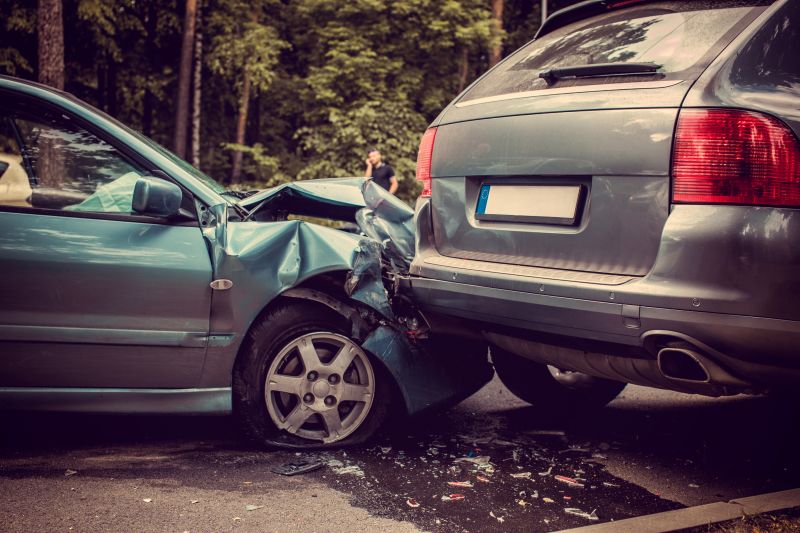
The promise of self-driving cars turned tragic on March 18, 2018, when an Uber autonomous vehicle struck and killed 49-year-old Elaine Herzberg in Tempe, Arizona. The backup driver, Rafaela Vasquez, was streaming “The Voice” on her phone seconds before impact. This wasn’t just a technological failure—it exposed a critical question every American should understand: who bears liability when an uber backup driver causes accident while supposedly monitoring autonomous technology?
The Uncomfortable Truth About Backup Drivers
Sarah Mitchell, a former backup driver for autonomous vehicle testing in Pittsburgh, shares her experience: “They paid us $18 an hour to watch a car drive itself. Sounds easy, right? Try staying alert for eight hours while literally doing nothing. Your brain fights you. I’d catch myself daydreaming about grocery lists, and suddenly realize I hadn’t looked at the road in 30 seconds.”
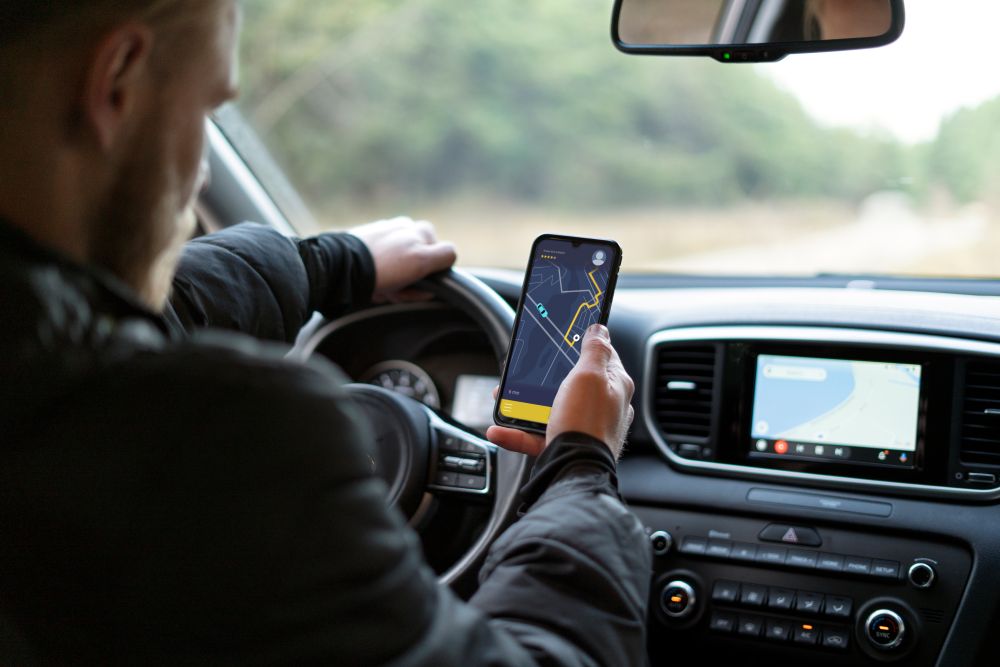
This confession highlights the core problem with uber autonomous backup driver accident liability. The National Transportation Safety Board found that Vasquez looked at her phone 23 times during the 22-minute fatal trip. The NTSB called it “automation complacency”—a dangerous state where human vigilance deteriorates because the technology usually works fine.
The Legal Minefield: Who Pays?
Arizona personal injury attorney Marcus Chen explains, “The Herzberg case opened Pandora’s box. We’re seeing uber self driving backup driver causes accident liability insurance disputes that nobody anticipated. Traditional auto policies weren’t written for scenarios where a human sits behind the wheel but isn’t actually driving.”
Here’s what actually happened in the Tempe case: Vasquez faced vehicular manslaughter charges (later dropped to a lesser charge), Uber settled with the victim’s family for an undisclosed amount, and the case sparked nationwide debate about backup driver uber policy frameworks.
Currently, when an uber backup driver liability causes accident occurs, liability flows through multiple channels:
- Personal criminal liability: Backup drivers can face charges ranging from reckless driving to vehicular manslaughter
- Corporate vicarious liability: Uber remains liable as the employer under respondeat superior doctrine
- Product liability: If autonomous systems malfunction, manufacturers face claims
- Insurance complications: Most policies have exclusions for commercial autonomous operation
What the Numbers Reveal
A Stanford University study tracking 40 backup drivers found attention lapses occurred every 13 minutes on average. More troubling: when asked to take control during simulated emergencies, drivers took 17 seconds to respond—nearly three times longer than regular drivers.
The insurance picture is equally grim. According to Insurance Information Institute data, claims involving uber self driving backup driver liability accident policy complications take 60% longer to settle than conventional accidents. The average settlement in autonomous vehicle cases reaches $2.4 million compared to $52,000 for traditional accidents.
Real Voices from the Crash Sites
Jennifer Williams, whose husband was injured in a 2019 autonomous vehicle testing incident in San Francisco, describes her nightmare: “The police report said the car was in self-driving mode. Uber’s lawyer said their backup driver followed protocols. Our insurance company denied the claim entirely. We spent $89,000 on medical bills while three parties argued about whose policy should pay.”
This testimony exposes America’s preparedness gap. Technology raced ahead while legal frameworks limped behind.
State-by-State Chaos
Here’s what most Americans don’t know: uber autonomous backup driver accident liability rules vary wildly by state. California requires $5 million insurance minimums for autonomous testing. Arizona had virtually no regulations when Herzberg died. Pennsylvania mandates backup driver training but doesn’t specify standards. Nevada requires black boxes but not real-time monitoring systems.
This patchwork creates absurd situations. If an autonomous Uber causes an accident crossing from California into Arizona, liability could shift mid-journey.
The Insurance Industry’s Dirty Secret
Most commercial auto policies contain buried exclusions for autonomous operation. Tom Bradley, a claims adjuster in Detroit, admits: “I’ve seen policies deny coverage because the backup driver wasn’t ‘actively operating’ the vehicle. But I’ve also seen denials because the driver ‘failed to intervene.’ It’s heads they win, tails you lose.”
Specialized uber self driving backup driver causes accident liability insurance products exist but cost 300-400% more than traditional commercial policies. Guess who ultimately pays? Passengers and injured parties caught in coverage gaps.
Frequently Asked Questions
Q: Can Uber backup drivers be personally sued in the United States? Absolutely. Despite being employees, backup drivers have individual duty of care under tort law and face personal liability claims. Vasquez was criminally charged, though prosecution was later deferred.
Q: Does my regular car insurance cover accidents with autonomous vehicles? No. Standard personal auto policies exclude commercial autonomous operation. If you’re hit by an autonomous vehicle, you’ll likely file against the operator’s commercial policy or pursue litigation.
Q: Who pays medical bills immediately after such accidents? This depends on your state. No-fault states like Michigan require your own PIP coverage to pay regardless of fault. Tort states require establishing liability first, leaving victims potentially waiting months for compensation.
Q: How much are backup drivers trained? Training varies dramatically. The Tempe incident revealed Uber provided just four weeks of training. Industry standards remain voluntary, not mandated.
Q: What should I do if hit by an autonomous vehicle? Document everything—photograph the vehicle, get witness statements, request police reports explicitly noting autonomous mode status, and consult an attorney experienced in uber backup driver liability causes accident cases before speaking with insurance adjusters.
The Path Forward
Twenty-nine states now have autonomous vehicle legislation, but coordination remains nonexistent. Until Congress establishes federal standards for backup driver uber policy requirements, Americans remain guinea pigs in an unregulated experiment.
The Herzberg family received justice through settlement, but criminal charges against Vasquez were reduced to mere endangerment. The message? Technology’s promise shouldn’t eclipse human accountability. When an uber self driving backup driver causes accident, someone must answer—the question is who, and whether victims will wait years to find out.