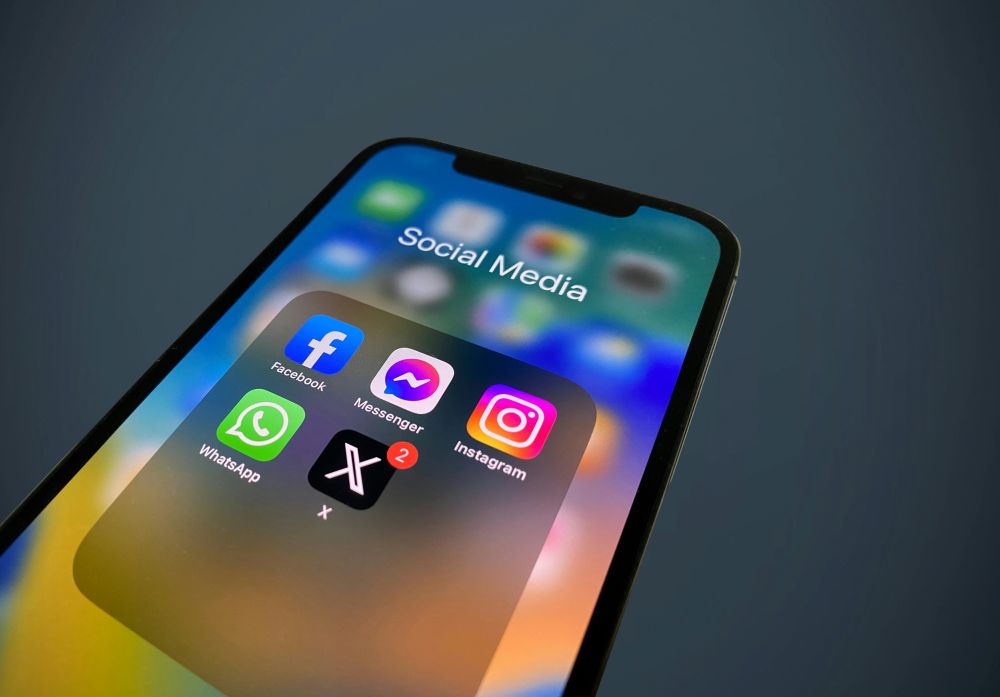

Most people assume that what they post online stays in their own world, separate from legal matters unfolding in the […]
Most people assume that what they post online stays in their own world, separate from legal matters unfolding in the background. That assumption can be costly. Social media posts have become a routine source of evidence in personal injury claim disputes, and both insurance companies and defense attorneys know exactly where to look.
The challenge is that contradictions don’t have to be obvious to be damaging. A photo from a weekend gathering, a comment about feeling better, or even a tag from a friend can all be pulled out of context and presented as evidence against a claimant’s account of their injuries. Insurers are trained to look for anything that conflicts with the severity being reported, and they are skilled at making ordinary moments look suspicious.
What makes this particularly difficult is that the posts doing the most harm are rarely the ones people expect. A claimant can be entirely honest about their condition and still find their credibility questioned because of something that seemed completely harmless at the time. Understanding how social media activity is reviewed during an active claim is the first step toward protecting it.
How Insurers and Defense Lawyers Use Your Feed
Insurance companies and defense attorneys routinely monitor claimants’ social media activity as part of the claims review process. Platforms like Facebook and Instagram are among the first places investigators check, often before a settlement offer is even drafted.
What they’re looking for goes beyond obvious contradictions. Posts, comments, likes, tags, and screenshots can all be collected and used as evidence, sometimes with very little context attached. A tagged photo from a family event or a comment thread from weeks before the injury can surface during litigation and be presented in ways that undermine a claimant’s credibility.
It’s also worth noting that privacy settings offer limited protection once a claim enters formal legal proceedings. Courts have repeatedly allowed discovery of private social media content when it’s considered relevant to the case, as documented in social media litigation research.
This kind of surveillance often feeds directly into lower settlement offers. Defense attorneys use inconsistencies found online alongside other tactics adjusters use to devalue your claim, and those who trust Melancon, Rimes & Daquanno understand how quickly an online footprint can shift the direction of a case once insurers begin preserving screenshots and searching for inconsistencies, making early legal advice essential from the start.
The Posts That Create the Biggest Problems

Photos, Videos, and Activity Updates
Not every damaging post looks damaging at first glance. A photo from a beach trip taken during recovery, a video of someone lifting their child, or an Instagram story showing a hike with friends can all become problems if they appear to contradict reported physical limitations.
Physical activity is the most commonly flagged category. Defense attorneys look for images or clips showing movement, exertion, or mobility that conflicts with what a claimant has described to doctors or insurers. Even a smiling photo at a social event can be used to suggest that the emotional or physical toll of the injury is being overstated.
Travel posts are similarly risky. Location-tagged photos or check-ins showing attendance at concerts, sporting events, or out-of-state trips can be framed as evidence that someone’s capacity is greater than their claim suggests.
Check-Ins, Jokes, and Casual Comments
Visual content isn’t the only concern. Everyday text-based activity carries real risk, too. A Facebook check-in at a restaurant, a casual comment like “feeling so much better,” or even a joking post about the accident itself can be pulled into a defense argument.
Discussing the accident, injuries, or settlement online in any form is particularly problematic. Even a sarcastic remark or an offhand comment can be stripped of its tone and presented without context.
Compensation disputes often hinge on credibility, and social media posts that seem minor in the moment can shift how a claim is perceived by the time it reaches negotiation or litigation.
Why Privacy Settings and Deleting Posts Fall Short
Many claimants assume that switching accounts to private or removing old posts will neutralize any social media risk. Neither approach is as protective as it seems.
Privacy settings limit what casual viewers can see, but they do not prevent screenshots from being taken before a change is made. They also offer no protection once formal legal proceedings begin. Courts have repeatedly granted discovery of private social media content when it is deemed relevant to a personal injury claim, meaning that content claimants consider hidden can still be compelled as evidence.
Deleting posts carries its own risk. Removing content after a claim is filed can be treated as spoliation of evidence, which raises a separate credibility problem altogether. If a court determines that relevant material was intentionally destroyed, it can draw negative inferences against the claimant, sometimes doing more damage than the original post would have.
Insurance companies are aware of these patterns and flag accounts that show signs of sudden cleanup activity. Before changing privacy settings or removing any content, claimants should speak with a legal professional to understand what is safe to do and what is not.
What to Do If You Already Posted Something Risky
Discovering a potentially damaging post after a claim is already filed can feel unsettling, but the instinct to delete it immediately should be resisted. As covered in the previous section, removing content at this stage can constitute spoliation of evidence, which creates a credibility problem that often outlasts the original post.
The safest immediate step is to preserve the situation as it stands and contact an attorney before taking any action. Legal counsel can assess whether the content is actually damaging, what disclosure obligations may apply, and what, if anything, can be done safely.
Once that conversation happens, a few other areas deserve attention alongside the posts themselves:
- Tagged posts: Content others have shared that includes the claimant should be reviewed with counsel before requesting removal.
- Account activity: Comments, likes, and location data may all be relevant to the personal injury claim.
- New posts: Pausing all social media activity until advised otherwise prevents additional evidence from accumulating.
The goal at this stage is damage control, not concealment. Every action taken should be guided by legal advice rather than instinct.
How to Protect Your Claim Going Forward
The most effective step a claimant can take is to pause social media posts entirely while the case is open. That means no photos, no check-ins, no comments about daily activities, and nothing that touches on injuries, treatment, or fault, even in passing.
Beyond personal posts, tagged posts from friends and family carry the same risk. Asking close contacts not to share photos or mention the claimant’s condition online closes a gap that privacy settings cannot.
Before adjusting account settings or removing anything, the question should go to an attorney first. Seemingly small decisions about social media activity are among the reasons why some victims walk away with less compensation than their case warranted.
The Safest Move Is to Stay Quiet Online
Every post, comment, and tag created during an active claim carries the potential to become evidence. Social media posts that seem completely routine can be reframed by defense attorneys to challenge a claimant’s credibility, regardless of intent.
Silence is consistently the lowest-risk approach. Pausing all activity until the personal injury claim is resolved removes the opportunity for content to be collected and used against the claimant’s account of events.
The clearest path forward is to protect credibility first and allow the claim to move through proper legal channels. Evidence built on documented injuries and medical records carries far more weight than anything posted online.
