
Introduction: Fault Is Not Always Clear-Cut Many personal injury cases are not as simple as one person being fully responsible […]
Introduction: Fault Is Not Always Clear-Cut
Many personal injury cases are not as simple as one person being fully responsible and another being completely blameless. In reality, accidents often involve shared responsibility between multiple parties. When that happens, courts and insurance companies use a legal concept called comparative negligence to divide fault and adjust compensation.
This system is commonly used in car accidents, pedestrian incidents, and other negligence-based claims. It plays an important role in determining how much compensation an injured person may ultimately receive.
What Is Comparative Negligence?
Comparative negligence is a legal rule that allows an injured person to recover compensation even if they were partly at fault for an accident. However, the amount they receive is reduced based on their percentage of responsibility.
For example, if a person suffers $100,000 in damages but is found to be 20% at fault for the accident, their compensation may be reduced by 20%. In that case, they would recover $80,000 instead of the full amount.
This system is designed to distribute responsibility more fairly when multiple parties contribute to an accident.
Why Fault Allocation Directly Impacts Compensation
Fault allocation has a direct impact on how much compensation is paid in a personal injury claim. Insurance companies and courts assign percentages of fault to determine final settlement or award amounts.
Even small changes in fault percentage can significantly affect the outcome of a claim. For example, being assigned 10% versus 30% responsibility can result in a large difference in compensation.
Because of this, insurance companies often try to shift as much blame as possible onto the injured party. This is one reason why evidence and documentation play such an important role in personal injury cases.
Common Accident Scenarios Where Fault Is Shared
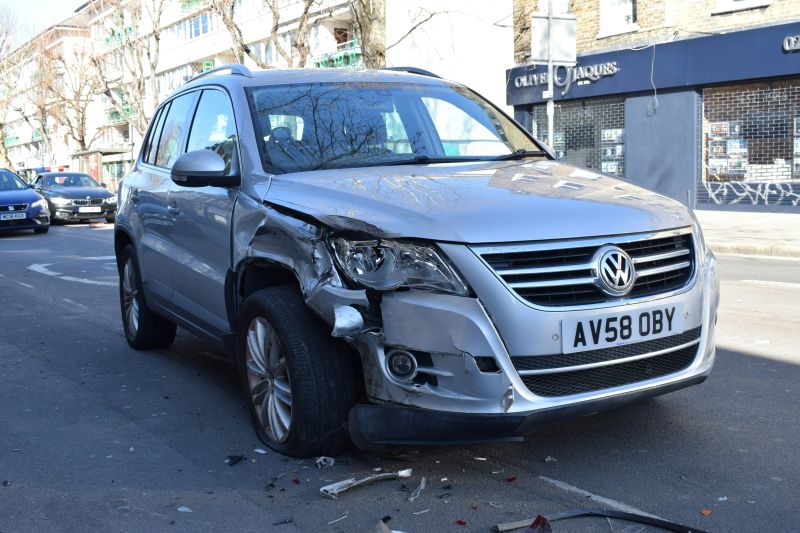
Comparative negligence often comes into play in situations where both parties may have contributed to the accident. Some common examples include:
- Rear-end collisions where drivers disagree about braking distance or sudden stops
- Intersection accidents involving disputed traffic signals or right-of-way
- Pedestrian accidents where visibility, crossing behavior, or driver attention is questioned
- Multi-vehicle crashes where several drivers contribute to the chain of events
- Slip-and-fall cases where property conditions and personal awareness are both considered
Comparative negligence rules are applied in many states across the U.S., including California, though the exact thresholds and interpretations can differ depending on the jurisdiction.
How Compensation Is Calculated Under Comparative Negligence
Personal injury compensation typically includes several types of damages. These may include medical expenses, lost wages, future medical care, rehabilitation costs, pain and suffering, and property damage.
Once the total damages are calculated, the final compensation is adjusted based on the injured person’s percentage of fault. This means the more responsibility assigned to the injured party, the lower the final recovery amount.
For instance, if total damages are valued at $50,000 and the injured person is found 25% at fault, the final compensation would be reduced to $37,500.
State Laws and Why Location Matters
Comparative negligence rules are not identical across all states. Some states allow injured individuals to recover damages even if they are mostly at fault, while others limit recovery once a certain threshold of responsibility is reached. These differences can significantly affect the outcome of a claim.
Because these rules vary by jurisdiction and depend heavily on case-specific facts, some injured individuals begin researching car accident attorneys in San Mateo, CA to better understand how California’s comparative negligence system may apply to their situation.
Understanding local laws is especially important because even similar accidents can lead to different outcomes depending on where they occur and how fault is assigned.
Evidence That Can Reduce Assigned Fault
Evidence plays a major role in determining fault percentages. Strong documentation can help ensure that responsibility is assigned fairly and accurately.
Common types of evidence include police reports, dashcam or surveillance footage, witness statements, photographs of the scene, medical records, vehicle damage assessments, and accident reconstruction analysis.
When this information is clear and well-documented, it becomes harder for insurers to unfairly shift blame onto the injured person.
How Early Statements Can Influence Fault Disputes
What a person says immediately after an accident can sometimes influence how fault is later assigned. Statements made to police officers or insurance companies may be reviewed during the claims process.
Because of this, it is important to be accurate and avoid guessing about speed, distance, or responsibility before all facts are known. Early assumptions can sometimes be interpreted in ways that affect the outcome of a claim.
Conclusion: Shared Fault Doesn’t Eliminate Recovery
Comparative negligence is an important part of personal injury law because it recognizes that accidents are often shared events rather than one-sided situations.
While it can reduce compensation based on assigned fault, it does not automatically prevent recovery. Understanding how fault is evaluated can help injured individuals better navigate insurance claims and legal decisions after an accident.
