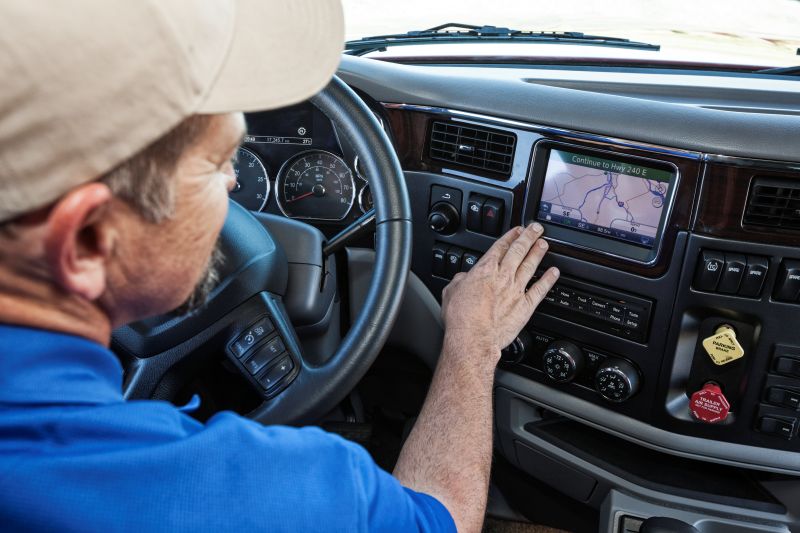

When Joshua Lewis climbed into his Maverick Transportation truck in 2020, the small camera on his dashboard was doing far […]
When Joshua Lewis climbed into his Maverick Transportation truck in 2020, the small camera on his dashboard was doing far more than recording video. The Lytx DriveCam system was mapping his facial geometry, plotting points around his eyes, nose, mouth, and lips, and feeding that data into AI algorithms that flagged his every move behind the wheel.
Lewis never consented to any of it. He didn’t even know it was happening. That gap between what the camera did and what drivers were told became the foundation of the lytx trucker face scan lawsuit settlement, a $4.25 million class action resolution that has now paid out to thousands of truck drivers nationwide.
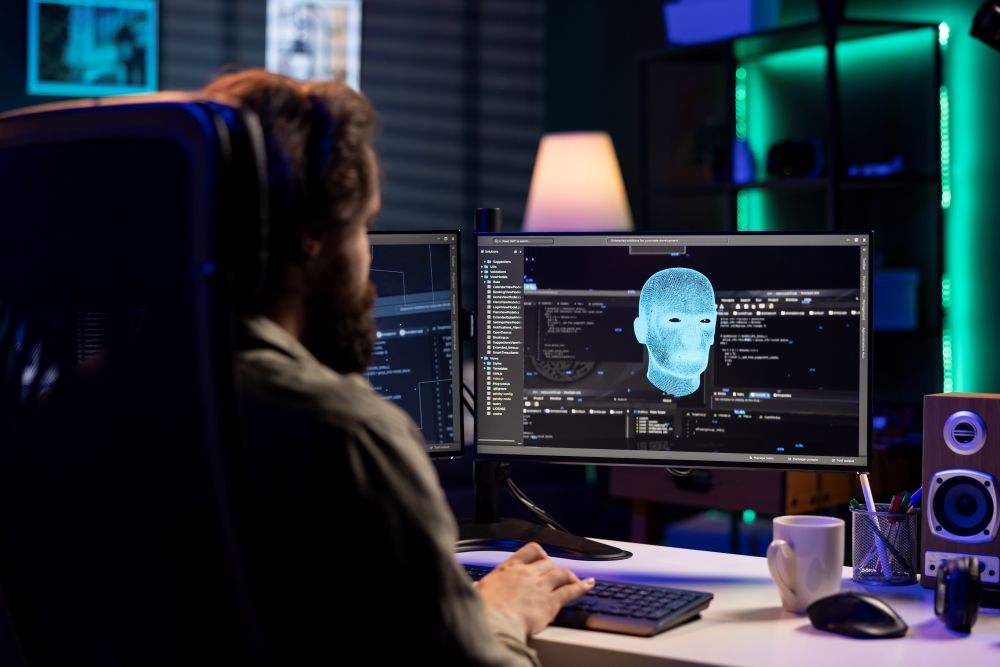
How DriveCam’s AI Actually Works
Lytx markets its Machine Vision and Artificial Intelligence platform as a safety tool, and the company’s footprint is enormous: DriveCam is installed across more than 4,000 fleets and draws on data from over 100 billion driven miles.
The system doesn’t just capture footage. It analyzes the driver’s face and body position to detect six categories of risky behavior: smoking, cell phone use, eating and drinking, inattentiveness, missing seatbelts, and general distraction. To do that reliably, it has to read facial features, and that is precisely where Illinois law enters the picture.
Why Illinois BIPA Made This Case Possible
Illinois’ Biometric Information Privacy Act (BIPA), passed in 2008, requires companies to obtain written consent before collecting biometric identifiers such as fingerprints, iris scans, or facial geometry. Companies must also publish a retention and destruction policy for that data.
The penalties are what give BIPA teeth: $1,000 per negligent violation and $5,000 per intentional or reckless violation. Illinois is still the only state combining comprehensive biometric rules with a private right of action, which is why so much biometric litigation, including the lytx trucker face scan lawsuit settlement, ends up in Illinois courts.
Timeline: From One Complaint to a Federal Class Action
- November 2021: Lewis files his initial complaint against Lytx.
- Shortly after: Nathaniel Timmons (Gemini Motor Transport) and James Cavanaugh (Quikrete) bring similar claims.
- Consolidation: The three cases merge into a single federal class action.
- 2025: Settlement approved and claims processed.
The drivers argued that Lytx never gave proper notice about what was being collected, how long it would be stored, or what would ultimately happen to it. Their complaint described DriveCam as unacceptably violating drivers’ statutory rights by scanning faces and harvesting face geometry without consent.
Lytx pushed back hard. The company insisted its system collects no retina scans, iris scans, facial geometry, or biometric data of any kind, and that the technology identifies driving behaviors rather than driver identities. Still, rather than risk a trial, Lytx settled, describing BIPA litigation as an immense and costly distraction from its safety mission.
[Shutterstock image: gavel on legal documents, courtroom setting]
Lytx Trucker Face Scan Lawsuit Settlement: The Payout Breakdown
The settlement class covered roughly 85,000 drivers whose facial data was processed while driving in Illinois between October 12, 2016 and January 1, 2025. Only a fraction filed claims, and 3,599 were approved.
| Claimant group | Approved claims | Payment per driver |
|---|---|---|
| Illinois residents | 2,061 | $631 |
| Out-of-state drivers | 1,538 | $845 |
The uneven payments came from splitting the fund evenly between Illinois and non-Illinois residents, even though fewer out-of-state drivers filed.
For context, the lytx trucker face scan lawsuit settlement is modest compared to other trucking BIPA cases. Truckers using BNSF facilities secured a $75 million settlement in early 2024, and J.B. Hunt separately resolved its own Lytx-related BIPA claims for $976,276 covering about 4,102 drivers.
How Lytx Responded
The litigation left a visible mark on the product. In March 2025, Lytx rolled out a geofencing feature called Dynamic Adjust for Illinois Restrictions, which automatically switches off in-cab recording when a truck crosses into Illinois and restores it on exit.
Lytx continues to maintain that its cameras save lives, and distracted driving is undeniably a serious hazard. But building a state-specific kill switch is a quiet admission that operating under BIPA requires special handling, and it underscores the core tension the case exposed: safety technology and worker privacy can collide when drivers aren’t told what’s being collected.
The Bigger Picture for Trucking
Transportation companies across Illinois face growing scrutiny over workplace biometrics, and the wider biometric market is projected to pass $133 billion by 2031, growing around 16% annually. As AI monitoring becomes standard equipment in commercial vehicles, the lytx trucker face scan lawsuit settlement is likely to be cited as an early benchmark for what fleets and vendors owe their drivers.
The takeaway for truckers is simple: if an AI camera is watching you, you have rights, and a company can’t start scanning your face without telling you what it’s doing with the data.
This article is for informational purposes only and does not constitute legal advice.
Frequently Asked Questions
Was I eligible for the lytx trucker face scan lawsuit settlement?
The claims period has closed, but the class included drivers who operated vehicles with Lytx DriveCam Event Recorders between October 12, 2016 and January 1, 2025 and had facial data processed while driving in Illinois.
Does Lytx still use facial scanning technology?
Yes. Lytx denies that its system collects biometric data and keeps operating in other states, but it now offers geofencing that disables in-cab recording inside Illinois.
What is BIPA and why does it matter?
BIPA is Illinois’ Biometric Information Privacy Act of 2008. It requires written consent before biometric collection, mandates published retention and destruction policies, and lets individuals sue directly for violations.
Are other trucking companies facing similar lawsuits?
Yes. J.B. Hunt, Old Dominion Freight Line, BNSF Railway, and others have faced or settled BIPA claims tied to biometric monitoring systems.
I currently drive with a DriveCam. What should I do?
Ask your employer, in writing, what biometric data is collected, how it’s used, how long it’s stored, and when it’s deleted. Under BIPA, you’re entitled to that information and to give informed consent before collection begins.
