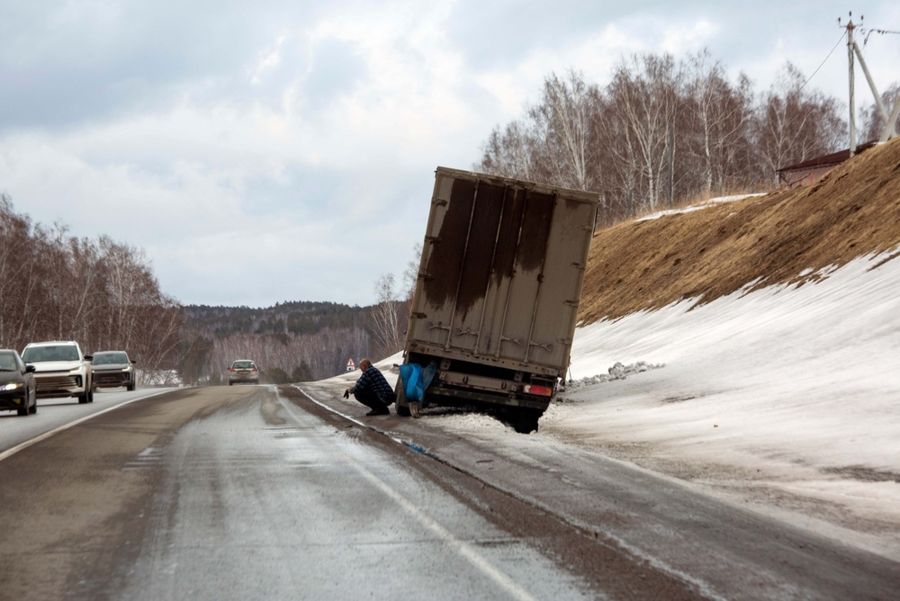

Two people can watch the same truck crash and describe it in completely different ways. Those differences can matter once […]
Two people can watch the same truck crash and describe it in completely different ways. Those differences can matter once an insurance company starts reviewing the claim. A truck accident claim may depend on evidence that shows what happened before, during, and after the collision.
Fault may depend on records, statements, vehicle damage, road conditions, and details that are easy to overlook. Once liability is disputed, the claim may involve more review and questions. Knowing what can happen next makes the process easier, so let’s look at the facts that matter.
What Does a Dispute Over Liability Mean?
Liability means responsibility for the crash and the losses connected to it. A dispute starts if the parties do not agree about who caused the accident or how much responsibility each person may have.
Truck crashes can involve more than one vehicle and more than one possible source of fault. A driver may blame another motorist, while an insurer may question the driver’s version of events. There may also be questions about road conditions, traffic signs, maintenance, loading, or other facts.
Because of this, an insurance company may not accept responsibility for a claim that was reported. It may review the information before deciding how to respond.
Evidence May Shape the Dispute
A liability dispute usually turns on facts. A clear record can make it easier for the parties to understand what happened.
Police Reports and Crash Records
A police report may contain information about the location, vehicles, road conditions, statements, and other details recorded after the collision. It may not answer every question, but it can become part of the record.
Photos, Videos, and Witnesses
Photos can show vehicle damage, traffic signs, lane positions, and road conditions. Dashcam footage, security video, and witness statements may provide useful information about how the crash occurred.
Truck and Driver Records
Truck accident cases can involve records that are not normally found in an ordinary car accident. Driver logs, inspection records, maintenance documents, and other company records may become relevant to the disputed facts.
How Insurance Companies May Respond
An insurer may investigate the accident before accepting liability. This can include reviewing reports, photographs, statements, records, medical documents, and information from the people involved.
The insurer may also ask for additional information if the facts are unclear or different accounts have been provided. That review can take time, especially if several people or businesses are connected to the crash.
A disputed claim may involve more communication and paperwork than a claim where responsibility is accepted early. The parties may exchange information as they try to establish what the evidence shows.
What If More Than One Party Is Blamed?
Responsibility is not always placed on one person. A crash may raise questions about the actions of several drivers or other parties.
For example, evidence may raise questions about a truck driver’s actions and another driver’s actions. There could also be issues involving vehicle maintenance, loading, or road conditions. The exact rules for shared responsibility depend on the state where the accident happened.
That is why the facts should be kept separate from assumptions. A first impression may not include every detail that later becomes important.
What Happens If Liability Is Rejected?
An insurer may deny responsibility after reviewing the information. A denial can leave the parties with a disagreement about what happened and who should be responsible for the claimed losses.
The reason for the denial matters because it identifies the point of disagreement. The insurer may dispute how the crash happened, who caused it, whether another party shares responsibility, or whether the evidence supports the claim.
At that stage, the records may become more important. Depending on the circumstances, a dispute may continue through discussions, negotiations, or legal proceedings.
Why Keeping Records Matters
Good records can help keep the facts organized during a disputed claim. Important documents may include:
- Police and accident reports
- Photos and videos from the crash scene
- Medical records and related bills
- Vehicle repair estimates and damage records
- Insurance letters, emails, and other communications
- Names and contact details for people who witnessed the crash
Keeping these materials together can make it easier to review what was reported, what was requested, and where the disagreement began.
Closing Thoughts on Liability Disputes
A disputed truck accident claim can become more complicated because responsibility is not accepted by everyone involved. Evidence may need to be reviewed from several angles, and the parties may have different views of the crash. Records, witness accounts, photographs, vehicle information, and other facts can add pieces to the picture.
For someone dealing with a disagreement over fault, knowing what information is being considered can make the process less confusing. Each accident has different facts, and state law can affect how responsibility is handled.
