
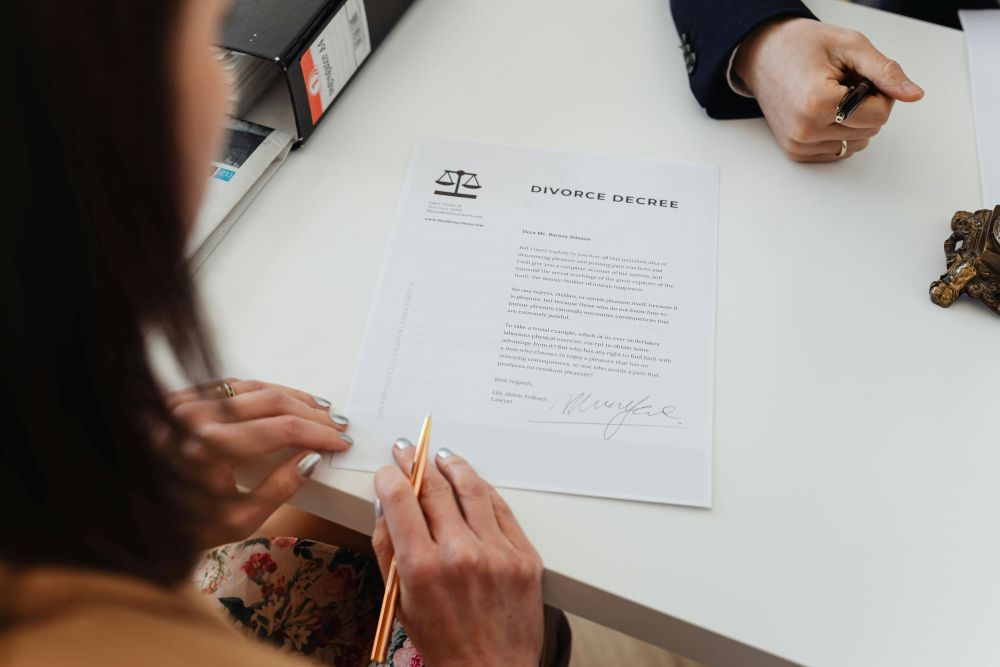
When Independent Legal Advice Is Required in an Uncontested Divorce
ILA Is Not Mandatory for Filing the Divorce
Many couples believe they must obtain ILA before filing their divorce forms, but this is not accurate. The court does not require proof of ILA to process an uncontested divorce application. As long as spouses have been separated for at least one year and meet the eligibility criteria under the Divorce Act, the paperwork can proceed.
That said, the divorce forms often reference agreements about property, support, and parenting. If these issues have been resolved through a separation agreement, ILA becomes a critical safeguard.
Situations Where ILA Becomes Essential (e.g., Separation Agreements)
ILA becomes necessary when spouses sign a separation agreement, because this document outlines legally binding terms related to family property, child support, spousal support, and parenting arrangements. Without ILA, the agreement may later be challenged on the grounds that one spouse:
- Did not understand what they were signing
- Was pressured or influenced
- Lacked proper disclosure or legal guidance
- Was unaware of the long-term financial impact
Family lawyers and judges strongly encourage ILA to prevent these issues and to demonstrate that both spouses entered the agreement freely and knowingly.
When Courts Expect ILA to Validate Waivers of Spousal Support
One of the most significant areas where ILA is expected involves waiving spousal support. When a spouse agrees to waive or limit their right to future spousal support, the court often scrutinizes this decision. Without ILA, a waiver may be considered unenforceable because the spouse may not have understood the consequences.
ILA helps ensure:
- The waiver was made voluntarily
- The spouse understood what rights they were giving up
- The waiver complies with the Family Law Act
- The financial disclosure was complete and accurate
Courts are far more likely to uphold a waiver of spousal support when ILA has been obtained.
Why Financial and Parenting Issues Often Require Legal Review
Even uncontested divorces involve complex legal considerations, especially when it comes to finances and children. ILA is highly recommended whenever spouses are making decisions about:
- Equalisation of net family property
- Division of assets and debts
- Child support obligations under the Child Support Guidelines
- Parenting time and decision-making responsibilities
- Spousal support entitlements or waivers
A lawyer providing ILA will review the agreement to ensure it aligns with Ontario law, protects the client’s interests, and reduces the risk of future disputes. This step can prevent costly legal challenges, misunderstandings, and unexpected financial consequences down the road.
Benefits of Getting ILA Before Finalising an Uncontested Divorce
Ensuring the Agreement Is Fair, Informed, and Voluntary
One of the most important benefits of ILA is that it protects the integrity of the entire agreement. A family lawyer reviews the terms, explains the legal implications, and confirms that the spouse is signing voluntarily. This step ensures that:
- Both spouses fully understand what they are agreeing to
- No one is being pressured, influenced, or misled
- Each party is aware of their entitlements under Ontario family law
- The agreement reflects informed decision-making, not assumptions
This protects not only the spouse receiving the advice but the overall validity of the agreement.
Preventing Future Disputes or Challenges to the Agreement
Agreements without ILA are far more likely to be challenged in the future. If one spouse feels the terms were unfair or unclear, they may attempt to reopen or set aside the agreement. Obtaining ILA helps prevent this because:
- A lawyer confirms that the spouse understood every clause
- There is written proof that proper legal advice was provided
- The agreement is more likely to withstand scrutiny if revisited
This reduces the likelihood of long-term conflict, court involvement, and financial costs.
Understanding Long-Term Impacts on Support, Property, and Parenting
Uncontested divorces often involve decisions that have long-lasting effects, especially when support obligations, property rights, or parenting arrangements are involved. ILA provides clarity on how these terms affect each spouse into the future.
Lawyers offering ILA help clients understand:
- Their rights under the Family Law Act’s property and equalisation rules
- How spousal or child support may change over time
- The consequences of waiving support or property claims
- How parenting arrangements may affect future mobility or decision-making
- Whether the agreement adequately protects children’s best interests
Having this information prevents unexpected consequences later on.
Strengthening the Enforceability of Separation Agreements
Courts in Ontario are more likely to enforce a separation agreement when both parties received proper ILA. This is because ILA demonstrates that:
- The agreement was entered into freely and knowingly
- Each spouse had access to legal advice before signing
- The terms were understood and accepted without confusion
- Full financial disclosure was reviewed and acknowledged
This strengthens the agreement’s credibility and reduces the chance that a judge will find it unfair or invalid.
Protecting Against Claims of Coercion or Lack of Understanding
One of the most common reasons agreements get challenged is an allegation that one spouse did not fully understand the terms or felt pressured into signing. ILA directly addresses this risk by creating a record that:
- The spouse met with an independent lawyer
- The agreement was reviewed in detail
- The lawyer confirmed there was no coercion or duress
- The spouse understood their rights and the consequences of signing
This protects both spouses by reducing the possibility of future claims that the agreement was not validly formed.
What a Lawyer Does During the ILA Process
Reviewing the Separation Agreement or Proposed Terms
The first step a lawyer takes during the ILA process is to conduct a detailed review of the separation agreement or any proposed terms the spouses have drafted. This includes examining clauses related to:
- Division of property and assets
- Equalisation of net family property
- Spousal and child support
- Parenting time and decision-making
- Debt responsibilities and future obligations
The lawyer ensures the document reflects the spouse’s intentions and complies with Ontario’s family law framework.
Confirming Full Financial Disclosure Has Been Exchanged
A core requirement for any valid family law agreement in Ontario is full and honest financial disclosure. During ILA, the lawyer will confirm that both spouses exchanged:
- Current income information
- Details of assets and debts
- Bank statements, tax returns, and financial summaries
- Any supporting documentation required for proper disclosure
Without complete disclosure, an agreement may later be challenged or set aside. The lawyer ensures the spouse understands the disclosure they received and the disclosure they provided.
Explaining Ontario’s Family Law Act Rights and Options
A key part of ILA involves ensuring the spouse knows their legal rights under Ontario’s Family Law Act and, where applicable, the Federal Divorce Act. The lawyer explains:
- How property division and equalisation normally work
- What support a spouse may be entitled to or required to pay
- How child support is calculated under the Child Support Guidelines
- The implications of proposed waivers or limitations
- Options the spouse could legally pursue if they did not sign the agreement
This empowers the spouse to make fully informed decisions.
Identifying Risks or Unfair Terms in the Documents
Even in uncontested divorces, some terms may unintentionally put one spouse at a disadvantage. The lawyer reviews the agreement with a critical eye and identifies:
- Clauses that are unfair or inconsistent with Ontario law
- Issues that could cause financial hardship later
- Provisions that may not be enforceable
- Missing details that could create future disputes
- Risks associated with waiving support or claims
The lawyer will explain these concerns clearly and recommend any changes necessary to better protect the spouse’s interests.
Providing a Signed ILA Certificate or Opinion Letter
Once the lawyer is satisfied that the spouse understands the agreement and is signing voluntarily, they will provide:
- A Certificate of Independent Legal Advice, or
- A legal opinion letter confirming that proper advice was given
This document is often attached to the separation agreement as proof that the spouse received independent legal guidance. Courts in Ontario place significant weight on these certificates when determining whether an agreement is valid and enforceable.