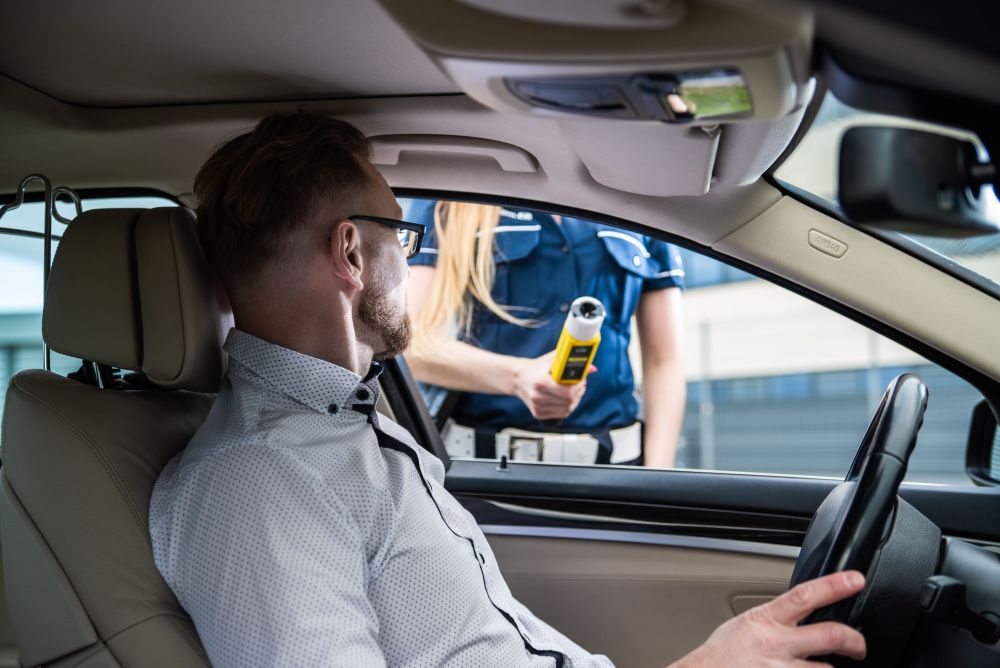

According to the National Highway Traffic Safety Administration’s 2023 data, approximately 13% of drivers arrested for DUI refuse to take […]
According to the National Highway Traffic Safety Administration’s 2023 data, approximately 13% of drivers arrested for DUI refuse to take a breathalyzer test — a decision that triggers an entirely separate set of penalties beyond any potential DUI conviction. As states continue tightening their approach to impaired driving enforcement, the legal landscape around breathalyzer refusal has become increasingly complex, with consequences that can outlast and compound traditional DUI penalties.
The stakes of this decision extend far beyond the arrest itself. While many drivers assume refusing the test might help their case by eliminating evidence, the reality involves automatic license suspensions, enhanced penalties, and long-term ramifications that affect employment, insurance, and future legal encounters. Understanding what actually happens when you refuse a breathalyzer — and why the law treats refusal as a separate offense — reveals a legal framework most drivers never expect to encounter.
The consequences unfold across multiple timelines and jurisdictions, creating a web of administrative and criminal penalties that operate independently of each other. For anyone facing this decision or dealing with its aftermath, grasping these interconnected systems becomes crucial for navigating both immediate and long-term impacts.
What Legal Grounds Require Breathalyzer Compliance?
The foundation for breathalyzer requirements lies in implied consent laws that exist in all 50 states, creating a legal obligation most drivers don’t realize they’ve accepted. By obtaining a driver’s license, you’ve automatically agreed to submit to chemical testing if lawfully arrested for suspected impaired driving. This isn’t a constitutional right you can simply decline — it’s a contractual obligation that comes with the privilege of driving on public roads.
The legal authority for breathalyzer requests extends beyond mere traffic stops. Law enforcement officers must have probable cause to believe you’re driving under the influence before requesting a breath test, typically established through observed driving patterns, physical signs of impairment, or performance on field sobriety tests. However, once that probable cause threshold is met and you’re under arrest, the implied consent framework kicks in automatically.
What makes this particularly complex is the distinction between pre-arrest and post-arrest testing. Portable breath tests administered roadside during the investigation phase are often voluntary and inadmissible in court. The formal breathalyzer test that triggers refusal penalties happens after arrest at the police station or in a patrol vehicle equipped with approved testing equipment. This post-arrest test carries the full weight of implied consent laws.
The legal framework also establishes specific procedural requirements officers must follow. They’re required to inform you of the consequences of refusal, typically through a standardized advisory that explains both the administrative license suspension and potential criminal penalties. However, the quality and timing of this advisory can vary significantly, and failure to provide proper notice sometimes creates grounds for challenging the refusal penalties later.
What Immediate Penalties Follow a Breathalyzer Refusal?
Refusing a breathalyzer test triggers automatic administrative license suspension that begins independently of any criminal DUI proceedings. In most states, this suspension starts 30 days after arrest and can last anywhere from 90 days to two years for a first refusal, with longer periods for repeat offenses. This administrative action happens through the Department of Motor Vehicles, not the criminal court system, meaning it proceeds even if your DUI charges are later dismissed or reduced.
The suspension timeline creates immediate practical challenges. Unlike DUI convictions that might allow restricted licenses for work or school, breathalyzer refusal suspensions are often absolute suspensions with no hardship exemptions. This means no driving privileges for medical appointments, employment, or family emergencies during the suspension period. Some states do allow installation of ignition interlock devices to regain limited driving privileges, but this typically requires completing additional paperwork and paying substantial fees.
Beyond license suspension, many jurisdictions impose enhanced criminal penalties specifically for breathalyzer refusal. These can include mandatory minimum jail sentences, increased fines, and extended license revocation periods that stack on top of any DUI conviction penalties. For example, a first DUI might carry a $500 fine and 90-day license suspension, but adding breathalyzer refusal could increase the fine to $1,200 and extend the license suspension to 18 months.
The immediate consequences also extend to your arrest experience itself. Refusing the breathalyzer often results in extended detention while officers obtain a search warrant for forced blood testing. This process can add several hours to your time in custody and may result in additional charges related to obstruction or failure to comply with lawful orders, depending on your behavior during the extended arrest process.
How Can Breathalyzer Refusal Affect Your Future Beyond the Arrest?
The long-term consequences of breathalyzer refusal often prove more damaging than the immediate penalties, creating a cascade of effects that can persist for years. Employment screening represents one of the most significant ongoing challenges, particularly for positions requiring driving, security clearances, or professional licenses. Many employers view breathalyzer refusal as potentially more problematic than a DUI conviction, interpreting it as an attempt to hide evidence of serious impairment.
Insurance ramifications compound over time as carriers treat breathalyzer refusal as a high-risk indicator. Even without a DUI conviction, the refusal alone can trigger substantial premium increases or policy cancellation. SR-22 insurance requirements — mandatory high-risk coverage — often apply to breathalyzer refusal cases, potentially doubling or tripling insurance costs for three to five years. Some carriers refuse to renew policies entirely, forcing drivers into assigned risk pools with limited coverage options and significantly higher premiums.
The refusal creates a permanent administrative record that affects future DUI cases disproportionately. If you’re arrested for DUI again, prosecutors can use the prior refusal as evidence of consciousness of guilt or pattern of non-cooperation. This prosecutorial advantage can influence plea negotiations and sentencing recommendations, often resulting in harsher penalties than if you had submitted to testing in the first case.
Professional licensing boards in fields like healthcare, law, education, and finance often treat breathalyzer refusal as seriously as DUI convictions when evaluating character and fitness. The refusal can trigger mandatory reporting requirements, disciplinary proceedings, and potential license suspension or revocation. For individuals seeking to establish professional relationships that require legal help for DUI charges in Jupiter, understanding these collateral consequences becomes essential for protecting long-term career prospects.
What Are Your Legal Rights and Defenses After Refusing a Breathalyzer?
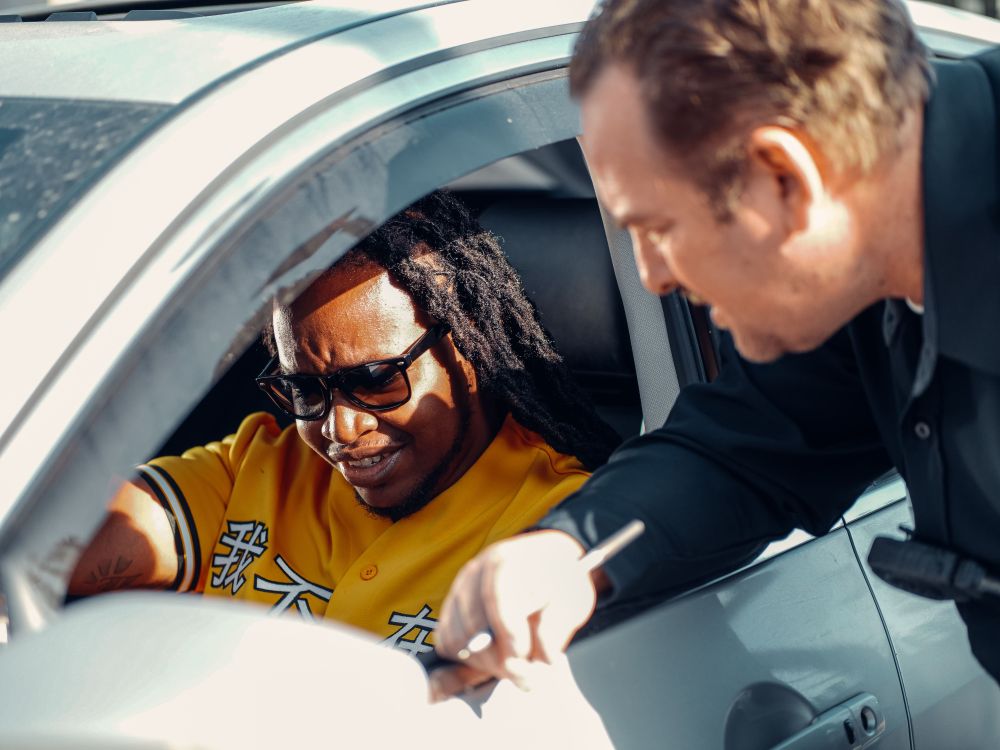
Despite the automatic nature of many refusal penalties, you retain significant procedural rights that can challenge both the refusal determination and resulting sanctions. The most immediate right involves requesting an administrative hearing to contest the license suspension, typically required within 10 to 15 days of arrest. This hearing operates independently of criminal court proceedings and focuses specifically on whether the refusal was lawful and properly documented.
Suppression challenges in criminal court can attack the validity of the breathalyzer request itself. If officers lacked probable cause for the initial arrest, failed to provide proper refusal advisories, or conducted the arrest in violation of constitutional protections, the refusal evidence may be excluded from criminal proceedings. These challenges require detailed analysis of the arrest sequence, officer training records, and compliance with department protocols.
The voluntariness of the refusal represents another critical defense avenue. Courts have found that refusals made under duress, coercion, or while experiencing medical emergencies may not constitute knowing and voluntary decisions. Similarly, language barriers, mental health conditions, or cognitive impairment at the time of arrest can invalidate the legal basis for refusal penalties. Documentation of these circumstances requires immediate attention, as evidence often deteriorates rapidly after arrest.
Alternative testing scenarios can also provide defense opportunities. If you were physically unable to provide a breath sample due to medical conditions, injuries from an accident, or equipment malfunctions, the refusal determination may be challengeable. Some states require officers to offer alternative testing methods like blood or urine analysis when breath testing isn’t feasible, and failure to provide these alternatives can invalidate refusal penalties.
Defense strategies must address both the administrative and criminal aspects simultaneously, as success in one arena doesn’t automatically resolve the other. The complexity of coordinating these parallel proceedings often requires specialized legal knowledge of both DUI criminal law and administrative licensing procedures.
How Do DUI Checkpoints Operate in Relation to Breathalyzer Tests?
DUI checkpoints represent a unique enforcement environment where breathalyzer refusal takes on additional complexity due to the constitutional requirements governing these stops. Unlike individual traffic stops based on observed driving behavior, checkpoints must follow predetermined patterns and protocols to satisfy Fourth Amendment protections. The systematic nature of checkpoint stops affects both the probable cause determination and the breathalyzer request process.
Checkpoint procedures typically involve an initial screening where officers look for signs of impairment through brief questioning and observation. If this screening suggests possible intoxication, you’ll be directed to a secondary area for field sobriety testing and more detailed investigation. The breathalyzer request usually comes only after officers develop probable cause through this secondary screening process, not during the initial checkpoint contact.
The legal standards at checkpoints differ from regular traffic stops in important ways. Officers must have clearly established protocols for which vehicles to stop, preventing arbitrary or discriminatory selection. However, once you’re lawfully stopped and officers develop probable cause for DUI, the same implied consent laws apply to breathalyzer testing. Refusing at a checkpoint carries identical penalties to refusing during a traditional traffic stop.
Strategic considerations at checkpoints involve understanding your rights during each phase of contact. You’re not required to answer questions beyond providing identification and required documents, and you can generally decline field sobriety tests without additional penalties. However, once arrested and faced with a breathalyzer request, the same refusal consequences apply regardless of the checkpoint setting.
The documentation at checkpoints often proves more thorough than individual stops, with multiple officers potentially involved and standardized reporting procedures. This enhanced documentation can provide both challenges and opportunities in later legal proceedings, depending on whether officers followed proper protocols throughout the checkpoint encounter.
Final Thought
The decision to refuse a breathalyzer test creates immediate consequences that ripple through multiple legal systems for months or years afterward. While the choice might seem like a way to limit evidence in a DUI case, the reality involves separate penalties that often exceed those of DUI convictions themselves. Understanding these interconnected consequences — from automatic license suspension to enhanced criminal penalties to long-term professional and insurance impacts — reveals why this split-second decision carries such lasting significance in the legal landscape of impaired driving enforcement.
