
In many Philadelphia homes, hot water suddenly running cold or taking longer to heat up can signal a deeper problem […]
In many Philadelphia homes, hot water suddenly running cold or taking longer to heat up can signal a deeper problem inside the water heater tank. Local water supplies contain high mineral content, which leaves behind sediments that settle at the bottom of tanks over time. These sediments act as an insulating layer, making your water heater work harder and reducing its lifespan. Addressing this issue with targeted maintenance can make a significant difference in repair needs and energy efficiency. Flushing built-up sediments is a practical step that directly targets the root cause of sluggish performance, unnecessary repairs, and even rising utility bills in Philadelphia households.
Philadelphia Hard Water Challenges and Sediment Buildup
Philadelphia’s water is classified as moderately hard, meaning it carries a high concentration of dissolved minerals like calcium and magnesium. When water is heated inside a tank, these minerals separate from the water and settle as solid deposits. Over months, these deposits accumulate at the bottom, forming a thick, crusty layer known as sediment buildup. This buildup restricts the tank’s ability to heat water efficiently and leads to uneven heating, knocking sounds, and eventual corrosion of the tank lining.
For homeowners, the impact of sediment accumulation is more than just noise or inconvenience. The presence of hard water minerals in Philadelphia not only shortens the effective service life of water heaters but also increases the frequency of breakdowns. According to hard water effects on water heaters, regular sediment removal is necessary when hard water is a known issue, as is common in local neighborhoods.
Ignoring these warning signs often leads to more complicated repairs, such as replacing heating elements or, in severe cases, the entire water heater. By recognizing how Philadelphia’s water quality influences sediment buildup, homeowners can prioritize preventive maintenance before problems escalate.
How Annual Tank Flushing Prevents Costly Water Heater Repair
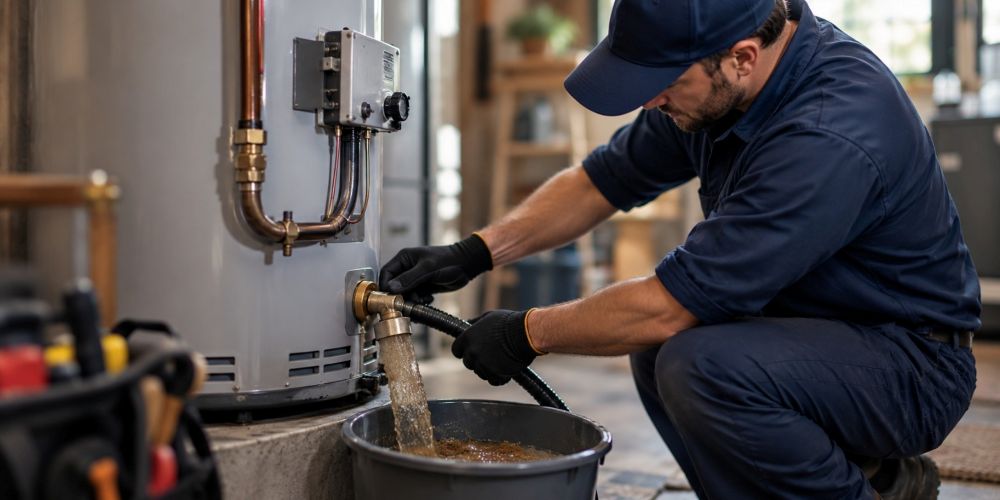
Annual water heater flushing in Philadelphia has become a recommended standard for minimizing sediment-related repair needs. The flushing process involves draining the tank completely and using a controlled flow of water to dislodge and remove mineral deposits from the bottom. This maintenance step is straightforward, but it must be performed carefully to avoid damaging the tank’s internal components.
Each year, as heating cycles repeat, sediment continues to accumulate. Without regular flushing, these deposits harden, blocking heat transfer and trapping heat near the bottom. The result is overheating, increased pressure on the tank, and premature failure of key components. Scheduling annual maintenance helps prevent this cycle and allows technicians to identify early signs of wear before they become major repair issues.
For residents needing water heater repair in philadelphia, preventative flushing can reduce emergency service calls and extend the system’s working life. This type of proactive service often involves a brief inspection of valves, thermostats, and anode rods, ensuring the entire system remains reliable for the next season.
Maximizing Energy Efficiency Through Proper Sediment Removal
Energy efficiency is a top concern for homeowners looking to control utility costs. When sediment forms a barrier at the bottom of the tank, the water heater’s heating element must work longer and harder to bring water to the desired temperature. This wasted effort is reflected in higher energy bills and an overall decrease in system performance.
Effective water heater flushing in Philadelphia removes this insulating layer, restoring full heat transfer between the heating element and the water. The heater can then reach target temperatures more quickly and with less energy consumption. This not only saves money but also reduces the overall environmental impact by lowering unnecessary energy use.
According to guidelines on energy-efficient water heater maintenance, sediment removal is one of the most impactful steps homeowners can take. Regular flushing, combined with adjusting temperature settings to the manufacturer’s recommendations, can keep Philadelphia systems running at peak efficiency even in areas with persistent hard water challenges.
Professional Maintenance Strategies for Philadelphia Plumbing Systems
For households with frequent water heater issues, relying on professional maintenance strategies ensures consistent performance and fewer unexpected breakdowns. Licensed plumbers in Philadelphia often use specialized tools, such as high-pressure flushing attachments, to remove stubborn sediment more thoroughly than a simple drain can achieve.
In addition to flushing, comprehensive maintenance includes checking for leaks, inspecting the temperature and pressure relief valve, and evaluating the condition of the tank’s anode rod. These steps are critical, as overlooked leaks or corroded components can quickly undermine the benefits of sediment removal and lead to costly repairs.
Homeowners in Philadelphia should also be aware of local plumbing codes and manufacturer recommendations for maintenance intervals. Following these strategies, including regular water heater flushing Philadelphia, helps keep systems in compliance and extends the useful life of the equipment, while avoiding avoidable repairs and energy waste.
Conclusion
Scheduling regular sediment flushing is one of the most effective ways to improve water heater efficiency and reduce repair costs in Philadelphia homes. The next time you schedule maintenance, ask your technician about a full tank flush and inspection to keep your system running smoothly and efficiently all year.
