

Last October, Sarah Martinez watched red and blue lights fill her rearview mirror after leaving a friend’s birthday dinner. She’d had one glass of wine three hours earlier. The officer asked her to step out and follow his pen with her eyes. Sarah passed, but she told me later: “I had no idea what he was looking for. That uncertainty was almost worse than the stop itself.”
The Horizontal Gaze Nystagmus test—what officers call the HGN test—examines involuntary eye movements that become more pronounced when someone drinks alcohol. Unlike walking a straight line or standing on one leg, you can’t practice your way through this one. Your eyes either exhibit the telltale jerking motion or they don’t.
What Actually Happens During the HGN Test Steps
Officer Michael Reeves, a 12-year DUI enforcement veteran from Phoenix, walked me through the actual procedure. “Most people think we’re just waving a pen around randomly,” he said. “There’s a specific protocol we follow every single time.”
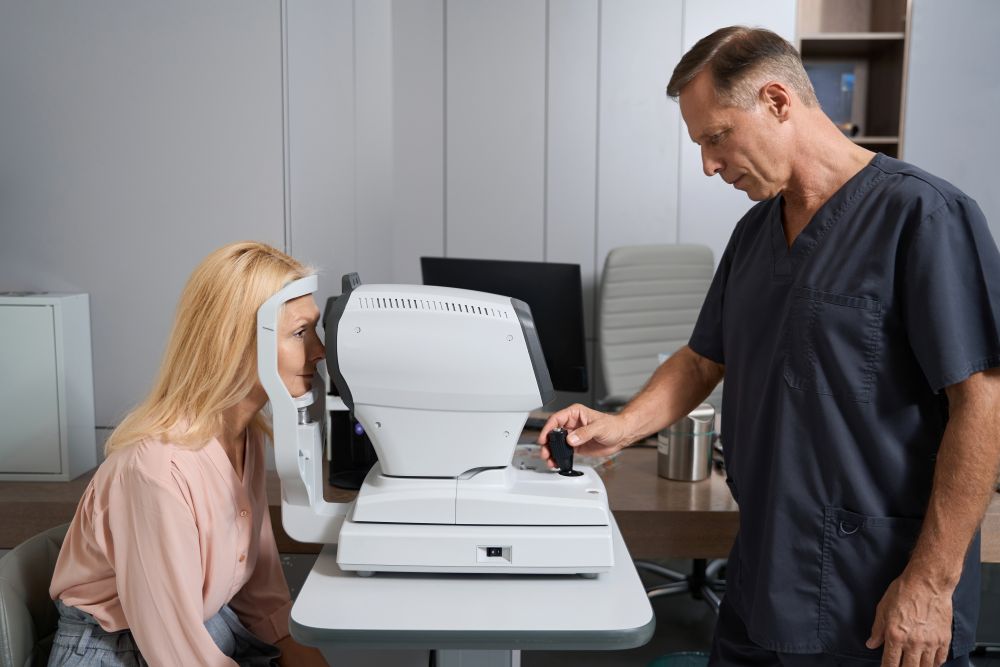
The hgn test steps break down into three distinct phases. First, the officer checks if both pupils are equal in size and if your eyes can track together—this rules out medical issues or injuries. Second, they move a stimulus (usually a pen or small flashlight) slowly across your field of vision, watching for smooth pursuit. Your eyes should follow smoothly, like a marble rolling across a table. Third, they check for distinct nystagmus at maximum deviation—essentially, when you look as far to the side as possible.
The Six Clues Officers Count
Here’s what most defense attorneys won’t tell you until you’ve already hired them: officers look for exactly six clues for hgn across both eyes. According to National Highway Traffic Safety Administration data, if an officer observes four or more clues, research indicates a 77% accuracy rate in detecting a blood alcohol concentration of 0.08% or higher.
The specific hgn clues include lack of smooth pursuit in each eye (that’s two clues), distinct nystagmus at maximum deviation in each eye (another two clues), and onset of nystagmus prior to 45 degrees in each eye (the final two clues). If your eyes start jerking before reaching that 45-degree angle, it suggests higher impairment levels.
“I’ve seen people fail who swore they only had two beers,” says DUI attorney James Chen from Denver. “The HGN doesn’t lie the way people sometimes do to themselves about their consumption.”
Why Some People Fail Without Drinking
This is where it gets complicated. Certain medications—particularly anti-seizure drugs, some antidepressants, and even antihistamines—can cause nystagmus. So can inner ear problems, eye muscle disorders, and even extreme fatigue.
Maria Gonzalez, a pharmaceutical researcher, failed an HGN test despite being completely sober. “I take medication for epilepsy,” she explained. “The officer didn’t believe me until the blood test came back zeros across the board. Those twenty minutes in cuffs changed how I think about these tests.”
The NHTSA training manual acknowledges that roughly 3-5% of the population has naturally occurring nystagmus unrelated to alcohol or drugs.
What “SOL HGN” Means in Police Reports
If you’re reading a police report, you might see “SOL HGN” in the notes. This stands for “Sustained Onset Location” of horizontal gaze nystagmus—essentially, the specific angle where the jerking motion begins. Officers are trained to note this because earlier onset typically indicates higher blood alcohol levels. At 0.08%, onset usually appears around 45 degrees. At 0.15% or higher, it might appear at just 35 degrees.
Frequently Asked Questions
Can I refuse the HGN test? Yes, though consequences vary by state. It’s generally considered a field sobriety test, not a chemical test, so refusal typically carries fewer penalties than refusing a breathalyzer.
How accurate is the HGN test really? NHTSA research suggests 77% accuracy when properly administered. However, that assumes perfect conditions and proper officer training—variables that aren’t always present at 2 AM on a dark highway shoulder.
Will glasses or contacts affect the test? Not typically. Officers are trained to conduct the test with your corrective lenses on.
Can nervousness cause you to fail? Anxiety itself doesn’t cause nystagmus, but it might affect the other field sobriety tests you’re given simultaneously.
The HGN test remains one of law enforcement’s most reliable roadside tools, but understanding what officers actually observe—and why—shifts it from mysterious to measurable. Whether you’re stone sober or genuinely impaired, knowing the mechanics means you’re never in the dark about what those eye movements actually reveal.