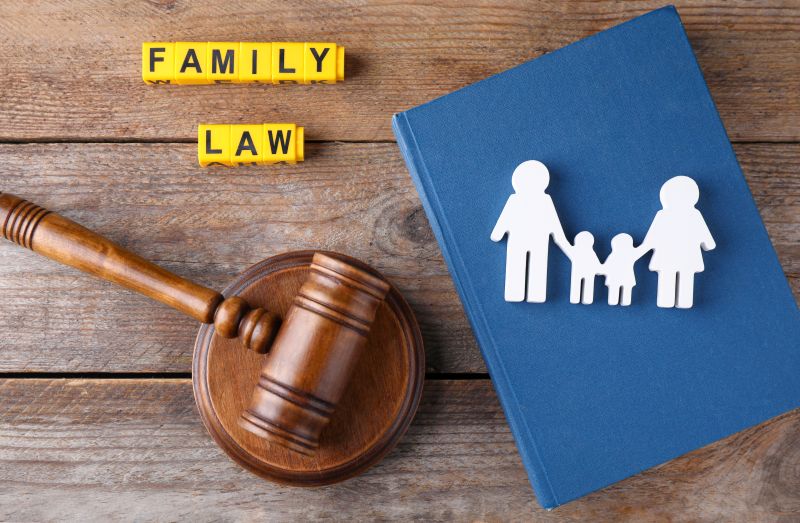

Family law covers the legal issues that affect families and personal relationships, including marriage, children, financial support, and personal safety. […]
Family law covers the legal issues that affect families and personal relationships, including marriage, children, financial support, and personal safety. Whether someone is getting divorced, seeking custody of a child, or adopting a family member, family law provides the legal framework for resolving these important matters.
Family law is broad because families experience legal issues throughout every stage of life. These cases are handled in state courts, ranging from simple paperwork to complex legal disputes.
If you’re considering speaking with a family law attorney, getting familiar with the different aspects of family law can help you know what to expect and where to find the right legal guidance.
Divorce and Legal Separation
Divorce is one of the most common family law matters. It legally ends a marriage while addressing issues such as property division, spousal support, child custody, and parenting responsibilities.
Legal separation is another option for couples who want to live apart without officially ending their marriage. Although the spouses remain legally married, the court can still resolve financial and parenting matters.
Child Custody and Child Support
Family courts frequently handle cases involving child custody and financial support. These decisions determine where a child will live, how parenting responsibilities will be shared, and how child support will be paid.
When child support is involved, federal laws such as 42 U.S.C. § 651 provide the framework that helps states establish and enforce child support obligations, ensuring children receive the financial support they need.
Paternity Cases
Paternity cases establish a child’s legal father. Once paternity is confirmed, the court can decide custody, visitation rights, child support, and other parental responsibilities.
These cases are especially important for unmarried parents who want clear legal rights and responsibilities regarding their children.
Domestic Violence Protection Orders
Family law also includes cases involving domestic violence and protective orders. Individuals facing abuse, threats, harassment, or stalking can ask the court for legal protection through restraining or protection orders.
Because personal safety is the priority, these cases often move through the court system more quickly than many other family law matters.
Adoption, Guardianship, and Other Family Matters
Adoption creates a permanent legal relationship between a parent and child, while guardianship allows someone to care for a child or another person who cannot manage their own affairs.
Family courts may also oversee name changes, emancipation of minors, and the termination of parental rights in situations involving abuse, neglect, or abandonment.
In custody disputes involving parents from different states, 28 U.S.C. § 1738A helps ensure valid custody orders are recognized across state lines, reducing conflicting court decisions.
Key Takeaways
- Family law governs legal issues involving families and relationships.
- Divorce and legal separation are among the most common family law cases.
- Child custody and support focus on protecting children’s best interests.
- Paternity establishes legal parental rights and responsibilities.
- Protective orders help safeguard victims of domestic violence.
- Adoption, guardianship, and name changes also fall under family law.
- Many family law cases involve multiple legal issues at the same time.
