

The Hawthorne Residential Partners lawsuit has become one of the most talked-about property management legal cases in the Southeast. Multiple tenants across several states have filed lawsuits claiming the company failed to fix broken appliances, ignored dangerous conditions, and charged improper fees. Hawthorne, based in Greensboro, manages approximately 324 locations with over 60,000 residential units, making these allegations affect thousands of renters.
What Laws Protect Tenants?
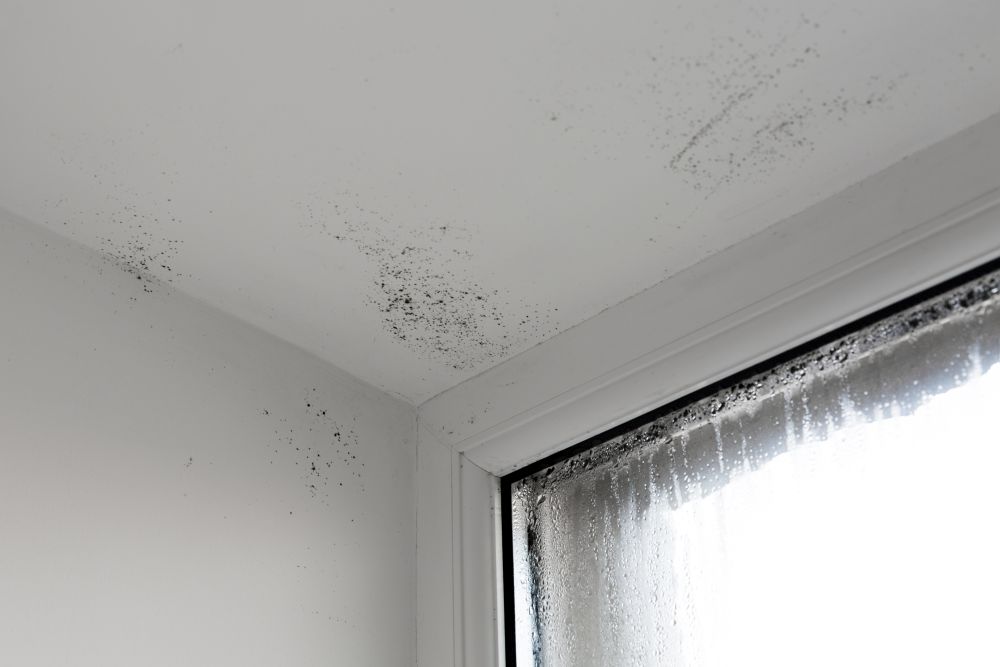
Every state has what’s called an “implied warranty of habitability.” This legal term simply means your landlord must keep your apartment safe and livable. That includes working heat and air conditioning, no leaks that cause water damage, proper plumbing, and protection from things like mold that can make you sick.
When property managers don’t fix these problems within a reasonable time—usually between 7 to 30 days depending on how serious the issue is—tenants can take legal action. The more serious the problem (like no heat in winter), the faster it needs to be fixed.
The Fair Housing Act provides additional protection, especially for people with disabilities. Landlords must make reasonable changes to their rules when a tenant with a disability needs them. For example, allowing a service animal even if the building has a “no pets” policy. Refusing these requests can lead to serious legal consequences.
The Lawsuits Against Hawthorne
The Hawthorne Residential Partners lawsuit isn’t just one case—it’s several lawsuits filed in different states. Here are the major ones:
In January 2025, a case called Jehramyus v. Hawthorne Residential Partners LLC was filed in Georgia. The tenant claims Hawthorne refused to provide disability accommodations required by federal law.
Before that, in October 2024, another lawsuit (Noronha v. Hawthorne Residential Partners) was filed in Florida. Around the same time in South Carolina, the Watts v. Rivarel LLC case involved a tenant who got injured because of broken stairs that management knew about but didn’t fix.
The most important case might be the 2023 North Carolina lawsuit, Keosha Johnson v. Hawthorne Residential Partners. This one became a class-action case and resulted in a settlement. Tenants claimed they were automatically charged three different fees when eviction proceedings started, which may have violated state consumer protection laws. The settlement suggests the court found these practices problematic.
What Tenants Are Experiencing
The Better Business Bureau shows a clear pattern. Over three years, Hawthorne has received 130 complaints, with most involving maintenance and service problems. While these complaints aren’t the same as court rulings, they help show what tenants are dealing with.
One tenant’s 2024 BBB complaint tells a frustrating story. She paid $3,358 just to get out of her lease early because management wouldn’t clean up dog urine stains and trash in the common areas. Despite multiple requests and walkthroughs with staff, nothing was done. She decided moving out was better than continuing to live in those conditions.
Another tenant paid their final utility bill with a check delivered directly to the leasing office. Weeks later, a debt collector called demanding payment for the same bill. When the tenant asked for proof (which is their legal right), the collector refused to provide documentation without payment first.
Perhaps most concerning are the maintenance requests that disappear into a black hole. Multiple tenants report submitting requests through the online system, watching them get marked as “completed,” but never seeing anyone actually show up to fix the problem. One Atlanta resident submitted more than ten separate requests for mold removal. Each time, the system said it was done, but the mold remained.
What Compensation Can Tenants Receive?
When tenants win cases against property managers, they can receive different types of money damages. This includes getting back rent you paid for months when your apartment wasn’t safe to live in, the return of security deposits that were wrongly kept, money back for repairs you had to pay for yourself when management wouldn’t help, medical bills if the bad conditions made you sick, and costs for moving to a new place if you had to break your lease.
In Fair Housing Act cases, courts can do more than just award money. They can order the company to change how they do business—like creating better systems for tracking maintenance requests, setting maximum response times for emergency repairs, or requiring staff training on disability rights.
When cases become class-actions (where many tenants join together), settlements often include money for everyone affected plus changes that help future tenants avoid the same problems.
Why This Matters Beyond Hawthorne
According to the National Multifamily Housing Council, there are over 44 million rental households in the United States. More and more rental properties are being managed by large corporations instead of individual landlords. When a company manages 60,000 units like Hawthorne does, one broken system doesn’t just hurt one family—it can hurt thousands of tenants at once.
Think about it this way: if the maintenance request system has a flaw, that flaw exists across hundreds of properties. If staff aren’t properly trained on fair housing laws, that training gap affects every property they manage. The Hawthorne Residential Partners lawsuit shows what happens when problems multiply across a huge portfolio.
Different states have tried to address these issues in different ways. Some states let tenants pay for repairs themselves and deduct the cost from rent. Others have created specific timelines that landlords must follow. Several states have set up faster complaint processes outside the regular court system.
How to Protect Yourself
Whether or not you end up in court, documentation is everything. Take photos with date stamps showing maintenance problems. Keep copies of every maintenance request you submit through the official system—don’t rely on verbal promises. Save all emails and letters to management. If you pay for repairs yourself, keep the receipts. If the conditions make you sick, keep your medical records. Track every rent payment you make.
Most states require you to give written notice about problems before you can take legal action. This notice needs to clearly describe what’s wrong, give the landlord reasonable time to fix it, and be delivered the way your lease or state law requires. If you skip this step, you might lose your case even if you’re right about the problem.
Remember that every state has different rules. What you need to do in North Carolina is different from Florida or Georgia. States also have time limits for filing lawsuits—usually between one and six years depending on what type of case it is. If you wait too long, you lose your right to sue no matter how strong your case is.
There’s also something called “constructive eviction.” This legal concept says that if your apartment becomes so bad that it’s essentially unlivable, you can break your lease without penalty. But you have to follow very specific steps, and if you don’t, you could end up owing rent even though you moved out.
Frequently Asked Questions
What legal claims are involved in the Hawthorne Residential Partners lawsuit? The main claims include breach of the warranty of habitability (not keeping apartments safe and livable), Fair Housing Act violations (especially refusing disability accommodations), premises liability (injuries from dangerous conditions they knew about), improper fees that violate consumer protection laws, and wrongly keeping security deposits.
What makes an apartment legally uninhabitable? While each state has specific rules, apartments are generally considered uninhabitable when heat or air conditioning doesn’t work, there are serious leaks or water damage, mold creates health risks, structural problems make it dangerous, plumbing doesn’t function, pest problems aren’t addressed, or broken locks make the unit insecure.
How do class-action lawsuits work? Class-actions let many tenants with similar problems join together in one lawsuit instead of filing separately. Courts must approve these cases to make sure they make sense. The advantage is that it gives tenants more power, but individual payouts are often smaller. These cases typically result in both some money for tenants and company-wide policy changes.
How long do I have to file a lawsuit? It depends on your state and what type of case you have. Contract claims usually have 3-6 year deadlines. Personal injury claims often have 2-3 year deadlines. Fair Housing Act claims must be filed within two years. If you miss your deadline, you can’t sue no matter how good your case is.
Can my landlord be responsible for problems they didn’t cause? Yes. Property managers have a legal duty to fix dangerous conditions once they know about them. If you tell management about a problem and they don’t fix it within a reasonable time, they can be held responsible even though they didn’t create the problem. The key is whether they knew (or should have known) about the danger and failed to act.
The Hawthorne Residential Partners lawsuit shows the complicated relationship between property law, consumer protection, fair housing requirements, and safety responsibilities. As these cases move forward in different states, they’re helping shape the rules that govern how large property management companies must treat their tenants. What happens with Hawthorne will likely affect not just this one company, but how the entire industry operates going forward.