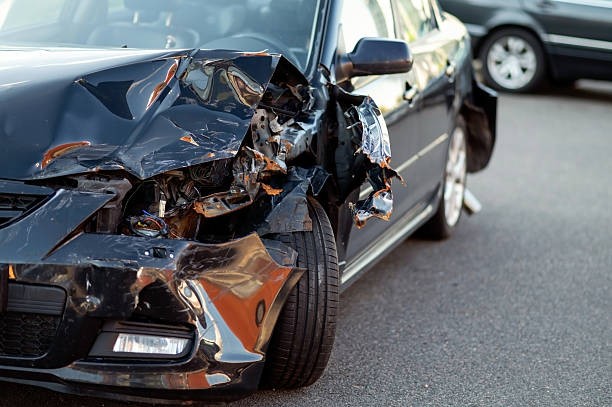

A car crash can happen in the time it takes to glance at a phone or miss a yellow light. […]
A car crash can happen in the time it takes to glance at a phone or miss a yellow light. One minute you are heading to work, and the next you are on the side of the road with a sore neck, a damaged car, and a long list of questions. The choices you make in the days that follow can affect your health, your finances, and your ability to get fair payment.
Missouri law lets injured people seek compensation when another driver causes a wreck, but insurers do not pay just because someone asks. Speaking with a St. Louis car accident injury attorney early on can help you understand your rights, avoid common mistakes, and build a claim backed by solid evidence.
Get Medical Care Right Away
Some injuries are obvious at the scene. Others, such as concussions, whiplash, and internal bleeding, can take hours or days to show symptoms, since adrenaline often hides pain right after a crash.
See a doctor as soon as you can, even if you think the injury is minor. Tell the staff you were in a car accident and keep every follow-up appointment. Gaps in treatment are one of the first things an adjuster looks for, because they can be used to argue your injury was not serious.
Driving in St. Louis Comes With Its Own Risks
St. Louis is a busy place to drive, and the numbers show it. A Trailnet report based on Missouri state crash records found that 173 people were killed and 14,930 were injured in traffic crashes in St. Louis City and County in 2022. Interstates 64, 70, 44, and 55 all run through or near downtown, and I-270 loops around the county, carrying commuters, delivery trucks, and travelers every day. Locals still call part of I-64 “Highway 40,” and traffic there can go from full speed to a dead stop in seconds.
Neighborhoods like the Central West End and Soulard also see heavy foot traffic, cyclists, and drivers hunting for parking. Depending on where your crash happened, the police report may come from the St. Louis Metropolitan Police Department, St. Louis County Police, a local municipal force, or the Missouri State Highway Patrol. Get the report number before you leave the scene.
Collect Evidence Before It Disappears
Evidence from a car accident does not last long. Vehicles get repaired, and security footage from nearby businesses is often recorded over within days. If you are able, take photos of all vehicles involved, the road, traffic signals, weather conditions, and any visible injuries. Write down the names and phone numbers of any witnesses. Hold on to dashcam video, towing receipts, and emails with insurance companies, and try not to repair your car until it has been photographed from several angles.
Be Careful When Talking to Insurance Companies
Soon after a crash, an insurance adjuster will likely call. They may seem friendly, but their job is to limit what the company pays. They may ask for a recorded statement or offer a quick settlement while medical bills are still coming in.
Stick to the basic facts, avoid guessing about your injuries, and do not admit fault. Accepting a settlement usually means signing a release, which ends your claim for good, even if your injuries turn out to be worse than you thought.
Understand How Fault Works in Missouri
Missouri follows a pure comparative fault rule. This means you can still recover money even if you were partly to blame for the crash, but your award is reduced by your share of the fault. For example, if your damages total $50,000 and you are found 20 percent at fault, you could recover $40,000. Insurers know this rule well and often try to shift more blame onto the injured person.
Missouri also requires drivers to carry uninsured motorist coverage. If the driver who hit you has no insurance or drove off, this part of your own policy may help cover your losses.
Keep Track of Every Loss
Save records of doctor visits, prescriptions, physical therapy, missed work, car repairs, and rental car costs. Lost earning ability may also count if you cannot return to the same job.
Keep a simple journal of your pain levels, trouble sleeping, and activities you can no longer do. These notes help show the pain and suffering side of your claim, and the details are easy to forget months later.
Know the Deadline to File
In most cases, Missouri gives injured people five years from the date of the crash to file a personal injury lawsuit, as set out in Missouri Revised Statutes Section 516.120. Wrongful death claims have a shorter deadline, and claims involving a government vehicle or agency may come with special notice rules. Still, waiting makes it harder to find witnesses and prove what happened.
Frequently Asked Questions
Do I need a lawyer for a minor crash?
Not every fender bender needs legal help. If you were hurt, missed work, or the insurance company is disputing fault, talking with an attorney can help you understand what your claim may be worth.
What if the other driver has no insurance?
Your own uninsured motorist coverage may help pay for your injuries. An attorney can also look for other parties who may share blame.
Should I post about the accident on social media?
It is best to avoid it. Insurance companies sometimes review social media accounts, and a single photo or comment can be taken out of context and used to question your injuries.
Putting Your Recovery First After a St. Louis Crash
Recovering from a car accident takes time, and dealing with doctors, repair shops, and insurers at the same time can wear you down. Getting medical care, saving evidence, and being careful with what you say and sign are the steps that protect you most early on.
Every accident is different, and the right approach depends on how the crash happened, how badly you were hurt, and what coverage is available. Sound legal advice early can help you make informed choices while you focus on getting better.
