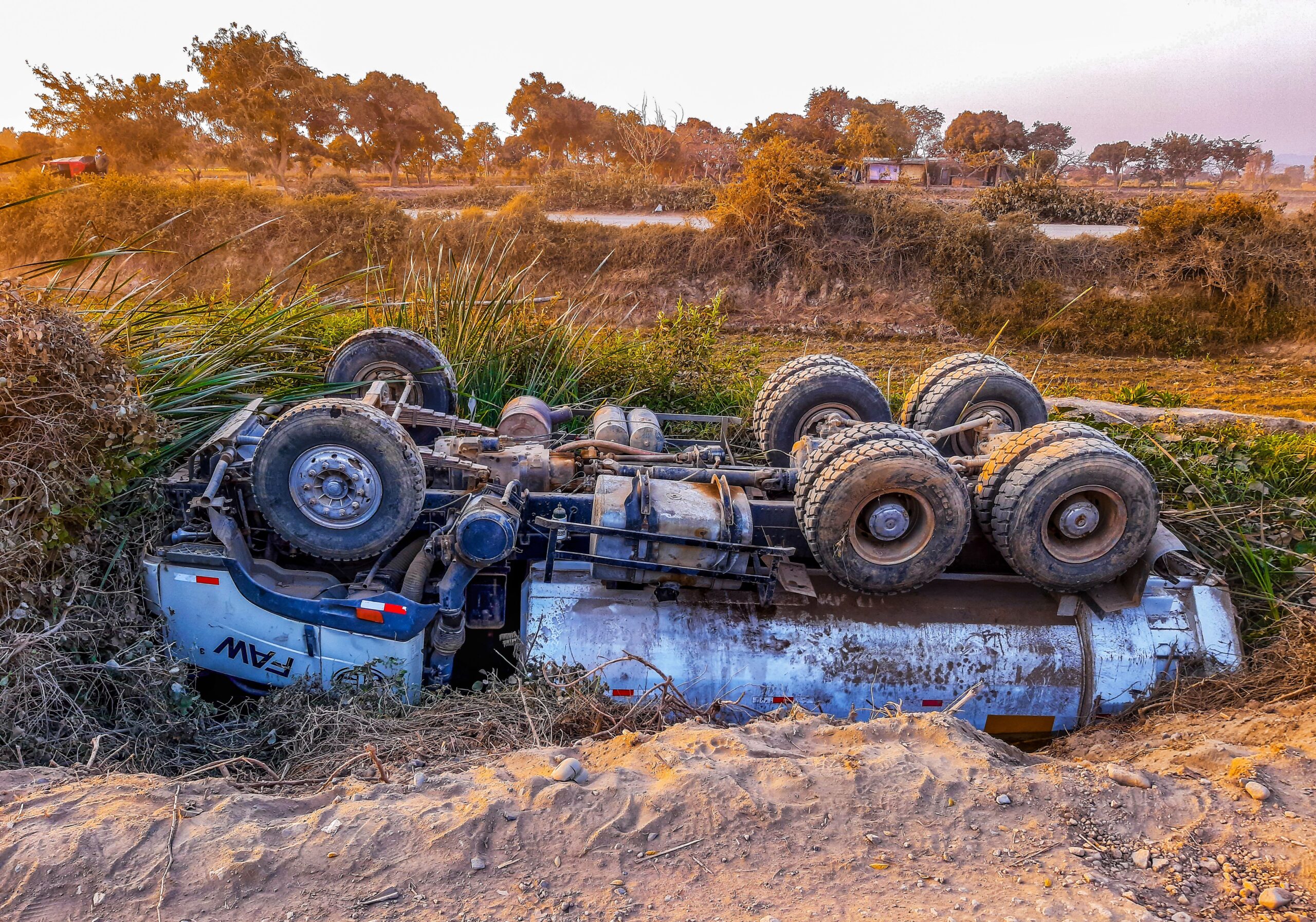

A collision involving a commercial truck can turn an ordinary drive into a complicated medical, financial, and insurance problem within […]
A collision involving a commercial truck can turn an ordinary drive into a complicated medical, financial, and insurance problem within seconds. The size and weight of large vehicles can increase the potential for serious injuries, while commercial ownership can make the claims process more complicated than it would be after a typical passenger-car crash. That matters in Sacramento, which the city itself describes as having one of the highest transportation fatality rates per capita among California cities. Knowing what to prioritize after a serious collision can help protect your health, preserve important information, and prevent rushed decisions when everything still feels unsettled.
Put Safety and Medical Care Ahead of Everything Else
Immediately after a crash, focus on getting yourself and others out of additional danger if it is safe to move. Call emergency services and follow instructions from first responders rather than trying to manage the entire scene yourself.
Medical attention matters even when an injury does not seem severe at first. Adrenaline can temporarily disguise pain, and symptoms connected with concussions, soft-tissue injuries, back problems, or internal trauma may become more noticeable later.
If emergency personnel recommend further evaluation, take that recommendation seriously. If you leave the scene without being transported, monitor symptoms carefully and seek appropriate medical care if problems develop.
Medical records also create a timeline showing when symptoms were identified and treated. That can become important later if questions arise about whether an injury was connected with the collision.
Commercial Truck Claims Can Involve More Than One Party
A truck crash may involve responsibility beyond the person sitting behind the wheel.
Depending on what caused the collision, questions may arise about the trucking business, vehicle maintenance, cargo loading, equipment defects, scheduling practices, or other companies involved in operating the vehicle.
Commercial trucking is also subject to specific safety requirements covering issues such as driver hours, vehicle inspections, maintenance, and cargo.
If you’re looking for a Sacramento truck accident lawyer, there are attorneys who handle commercial-vehicle cases and can evaluate which parties, insurance policies, records, and regulations may be relevant to the circumstances of a particular crash.
That added complexity is why these cases should not automatically be treated like routine two-car insurance claims. Determining what happened may require examining information that an individual driver would not normally possess.
Document What You Can While the Scene Is Fresh
Crash scenes change quickly. Vehicles are moved, debris is cleared, weather changes, and witnesses leave.
If your condition allows, photographs and video can preserve details that may otherwise disappear. Capture vehicle positions, visible damage, roadway conditions, traffic signals, debris, skid marks, and identifying information on the commercial vehicle.
Collect the driver’s contact and insurance details as well as identifying information connected with the truck and carrier. Witness contact information can also be valuable when different versions of the collision later emerge.
Taking photos and videos after a vehicle accident can help document damage and conditions before the scene changes. The same principle is especially useful when a crash involves several vehicles or a large commercial truck.
You do not need to investigate the accident yourself. Your goal is simply to preserve what is already visible.
Be Accurate When Speaking With Police
When officers arrive, explain what you observed without filling gaps in your memory with guesses.
Describe the direction you were traveling, what happened immediately before impact, and anything else you clearly remember. If you do not know something, saying so is better than speculating.
Avoid assigning percentages of blame or estimating speeds unless you genuinely know them.
A police investigation may record driver information, witness statements, vehicle details, road conditions, and other facts that can later help reconstruct what happened.
Ask how you can obtain the report or report number once it becomes available.
Police documentation does not necessarily answer every question about responsibility, but it can preserve useful information while memories are still relatively fresh.
Be Careful With Early Insurance Conversations
Insurance adjusters may make contact soon after a collision, sometimes before you fully understand your injuries or financial losses.
Provide required factual information, but be thoughtful about making broad statements concerning your health or responsibility while the situation is still developing. Saying that you are fine immediately after a collision can become problematic if significant symptoms appear later.
Early settlement offers also deserve careful consideration.
A quick payment may seem attractive when bills are beginning to arrive, but resolving a claim can limit your ability to seek additional compensation later. That becomes particularly important when future treatment needs are uncertain.
Avoid making decisions simply because an adjuster creates a sense of urgency. Serious injury claims should generally be evaluated with a clear understanding of medical expenses, lost income, property damage, and any continuing effects of the collision.
Keep Your Medical and Financial Records Together
Evidence after a crash does not come only from photographs.
Medical bills, treatment notes, prescription receipts, repair estimates, towing charges, wage records, and correspondence with insurers can all help establish the practical consequences of the accident.
Keeping those materials organized from the beginning makes them easier to review later.
Documenting accident-related losses can also include noting missed workdays, limitations on ordinary activities, ongoing pain, sleep problems, and appointments. These details may become difficult to reconstruct accurately several months later.
Maintaining useful records for an insurance claim can make it easier to provide photographs, witness details, reports, and other supporting information when they are requested.
A single folder on your computer or a physical file can prevent important documents from becoming scattered across email accounts and drawers.
Understand Why Preserving Evidence May Matter
Commercial vehicles can generate forms of evidence that do not exist in every ordinary car crash.
Depending on the truck and circumstances, relevant information may include electronic vehicle data, driver logs, maintenance records, inspection documents, dispatch communications, onboard cameras, and cargo information.
Some records may be routinely overwritten or retained only for limited periods.
That makes timing important when a serious crash requires a more detailed investigation. Waiting several months before trying to locate records can create unnecessary problems if information is no longer easily available.
The vehicle itself may also contain physical evidence connected with braking, tires, lighting, or mechanical condition.
Preserving evidence does not mean assuming wrongdoing occurred. It simply means keeping the information needed to understand what happened before that information disappears.
Let Recovery Guide the Timeline
After a serious crash, there can be pressure to return to normal quickly.
Recovery rarely follows a convenient schedule.
Attend recommended medical appointments and communicate clearly with healthcare providers about changing symptoms. Skipping follow-up treatment can affect your health while also creating gaps in the record of your recovery.
Avoid exaggerating what you are experiencing, but do not minimize it either.
If pain prevents you from sleeping properly, working normally, driving comfortably, or participating in regular activities, those effects are worth discussing with the professionals treating you.
Medical recovery should guide decisions about work and activity rather than pressure from employers, insurers, or your own frustration with being injured.
Your health is the part of the situation that is hardest to replace.
Avoid Making the Situation Harder With Social Media
Posting online after an accident can seem harmless, particularly if friends and relatives are asking what happened.
However, photographs, comments, check-ins, and casual statements may create an incomplete picture of your condition.
A smiling photograph at a family gathering does not necessarily mean someone has recovered from an injury, but an insurer examining a claim may interpret it differently. The same problem can arise from joking about the crash or discussing details before the investigation is complete.
Keeping information private while medical treatment and insurance issues are unresolved can prevent unnecessary disputes.
Share important updates directly with the people who need them rather than treating social media as a public accident diary.
Focus on Protecting Your Position, Not Solving Everything Immediately
The hours after a truck collision are rarely the right time to make every major decision.
Prioritize safety, get appropriate medical attention, report the accident, preserve information, and keep records as the situation develops. More complicated questions about responsibility, insurance coverage, long-term medical needs, and compensation can be addressed once the immediate crisis is under control.
Truck crashes can involve several parties and significant evidence, which makes careful decision-making particularly important.
You do not need to know every legal rule while standing beside a damaged vehicle. You simply need to avoid unnecessary mistakes that make the next steps harder.
A calm, documented approach gives you a stronger foundation for dealing with medical care, insurers, property damage, and any legal questions that follow.
