
If you’ve spent any time around a courthouse press bench, you know most patent fights don’t come with fireworks. They […]
If you’ve spent any time around a courthouse press bench, you know most patent fights don’t come with fireworks. They come with a filing, a docket number, and a slow, methodical grind. The Samsung foldable phone patent lawsuit that surfaced in late April 2026 is no different on paper — except that it touches a product category millions of Americans now carry in their pockets.
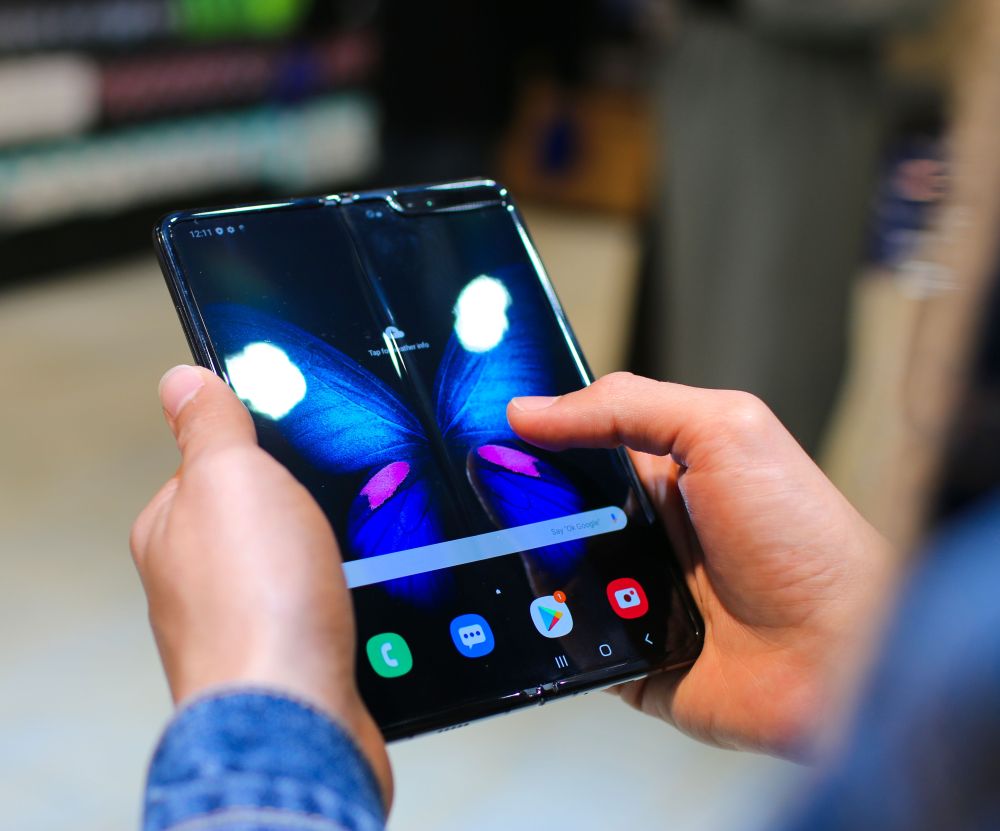
Here’s the plain version: Lepton Computing LLC, a Brooklyn-headquartered company, filed a patent infringement complaint against Samsung Electronics Co. and Samsung Electronics America Inc. in the U.S. District Court for the Eastern District of Texas. The complaint names the Galaxy Z Fold, Galaxy Z Flip, and Galaxy Z TriFold lines and accuses Samsung of building its foldable business on nine patents Lepton says it owns — covering hinge mechanisms, flexible display protection, and a software feature often called “app continuity,” where an open app follows you from the cover screen to the inner display without restarting.
The Inside Story
I’ve covered enough patent dockets in the Eastern District of Texas to know the venue itself tells you something. It’s one of the busiest patent courts in the country, and plaintiffs often file there because local rules move cases faster than in many other districts. When a filing lands with a request for a permanent injunction — essentially asking a judge to stop Samsung from selling foldables in the U.S. — reporters’ phones start buzzing before lunch. That’s exactly what happened here; multiple outlets had the story within 48 hours of the filing.
What stood out to me reading the complaint wasn’t the injunction request itself — plaintiffs almost always ask for one, knowing it rarely gets granted against an established seller. It was the claim that Lepton shared prototype details with senior Samsung executives back in 2013, years before the first Galaxy Fold shipped in 2019.
The Timeline Problem
 Here’s where the Samsung foldable phone patent lawsuit gets legally interesting. The earliest of the nine patents cited in the complaint wasn’t granted until June 29, 2021 — nearly two years after Samsung’s original Galaxy Fold went on sale in September 2019. A product generally can’t infringe a patent that didn’t exist yet, which gives Samsung’s legal team a straightforward opening argument. Lepton will likely lean on that 2013 disclosure claim to argue priority predates the formal grant date, but proving that in court is a different and much harder task than alleging it in a filing.
What Usually Happens Next
Patent attorneys who track non-practicing entity (NPE) litigation — companies that hold patents but don’t sell products — will tell you the pattern is predictable more often than not. One IP litigator I spoke with, who reviews dozens of these filings a year, put it simply: “The injunction request grabs headlines, but the real outcome in nine cases out of ten is a settlement nobody hears the dollar figure for.” That tracks with the broader data: outright sales bans against major manufacturers are rare, and Samsung — which filed more than 9,000 U.S. patent applications in 2023 alone — has deep experience defending itself in exactly this kind of dispute.
Samsung has not filed a public response as of this writing. Expect either a formal denial, a motion to dismiss over the patent-priority timeline, or a challenge to the patents’ validity through inter partes review at the USPTO — a separate proceeding that can pause the district court case entirely.
FAQs
Is Samsung banned from selling foldable phones in the U.S.? No. The lawsuit requests a permanent injunction, but no ban has been ordered. Galaxy Z Fold, Flip, and TriFold models remain available for purchase.
Who is suing Samsung over foldable phone patents? Lepton Computing LLC, a Delaware-registered company based in Brooklyn, New York, filed the complaint in April 2026.
What patents does the lawsuit involve? Nine patents covering hinge mechanisms, flexible display protection, and the “app continuity” software feature that moves an open app between a foldable phone’s cover and inner screens.
Will this affect people who already own a Galaxy Z Fold or Flip? No. Current owners aren’t affected. Litigation outcomes, even injunctions, apply prospectively to future sales, not devices already purchased.
How long do patent lawsuits like this typically take? Multi-year timelines are common. Eastern District of Texas patent cases often run one to three years before trial, and many settle before reaching that point.
