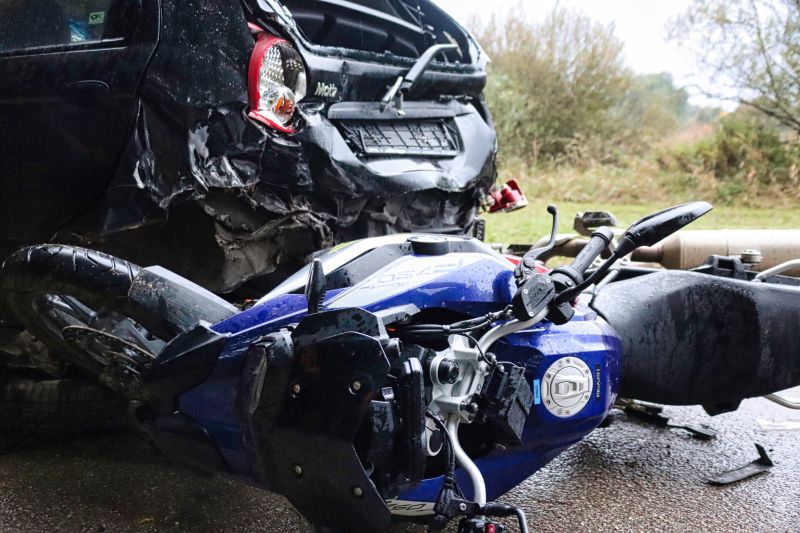

Being involved in an auto accident with someone else is definitely a case of before and after. Suddenly you’re not […]
Being involved in an auto accident with someone else is definitely a case of before and after. Suddenly you’re not just on your way to work but also faced with having to pay for your medical care, repair your vehicle, and deal with an insurance adjuster who wants to close your file quickly rather than help you make your recovery. If you hope to get out of it okay, there are some things you’ll need to know.
Here are five things that make the biggest difference, straight from people who’ve worked with a Connecticut car accident lawyer to actually get paid what they’re owed.
1. Lock Down the Evidence Before It Disappears
The reality is that your case may be made or broken in the first hour after the collision. Insurance companies are fond of gaps – no photographs, no witnesses, a weak police report – since gaps provide justification for paying less; consulting a skilled Connecticut car accident lawyer right away helps ensure those critical gaps are properly closed.
As you still find yourself on the site of collision (as far as it is physically possible), take pictures of everything: both vehicles, road conditions, skid marks, weather, and your injuries. Get contact information of everybody who has witnessed the collision, as it might be difficult to find those people even a week after the collision. Never forget to have a police report drawn, as this will serve as the official record to which all the others will refer.
The last thing people tend to omit: visit a doctor even if you feel okay. Adrenaline serves as a great pain killer and some injuries such as whiplash or concussion may not become apparent until a day or two following the accident. Your medical records from right after the collision become the link between your injuries and the accident.
2. Don’t Let the Insurance Company Rush You
Here’s something nobody tells you upfront: the other driver’s insurance company is not on your side, no matter how friendly the adjuster sounds on the phone. Their job is to settle your claim for as little as possible, as fast as possible — often before you even know how bad your injuries really are.
They’ll ask for a recorded statement early. They’ll dangle a quick check. Don’t take either without talking to someone first. And if you live in a state with modified comparative negligence rules (Connecticut included), watch out — if they can pin even 10-20% of the blame on you, your payout shrinks by that same percentage. A lawyer keeps that from happening carelessly.
3. Add Up the Real Cost, Not Just the ER Bill
Most people think their claim is just “medical bills + car repair.” It’s actually a lot bigger than that. There are two buckets to think about:
- The stuff you can put a number on — medical costs (now and down the road), missed paychecks, reduced future earning power, physical therapy, and vehicle damage. All of this gets backed up with receipts, pay stubs, and sometimes an expert who forecasts your long-term losses.
- The stuff that’s harder to price — pain and suffering, emotional distress, not being able to enjoy life the way you used to, permanent injury, and strain on your relationships. This gets calculated using formulas lawyers use all the time, based on how severe and life-altering the injury is.
Leave either bucket out, and you’re leaving money on the table.
4. Know Your Deadlines — They’re Not Flexible
This one trips people up constantly. Every state puts a hard clock on how long you have to file a lawsuit — in Connecticut it’s two years from the crash date, under C.G.S. § 52-584. Miss it, and it doesn’t matter how strong your case was; you’re done.
It gets trickier if a government vehicle was involved — some of those claims require formal notice within just 90 days. And insurance policies often have their own reporting windows buried in the fine print. Miss one of those, and coverage can get denied before you even get to the negotiating table.
5. Think Past Today’s Bills — Plan for Tomorrow Too
A good settlement isn’t just about covering what you’ve already spent. It should also account for what’s still coming: future surgeries, ongoing medication, physical therapy that isn’t finished yet, and any long-term career impact — like a promotion you’ll never get or a job you physically can’t do anymore.
There’s also a decision to make about how you actually receive the money. A lump sum gives you cash up front, but a structured settlement spreads payments out over time, often tax-free, which can be a better fit if you’re dealing with a lifelong injury.
Bottom Line
None of this is complicated once you know it — but insurance companies count on you not knowing it. Hurry up, document all that you do, do not sign anything without understanding it completely, and take legal counsel—such as speaking with an experienced Connecticut car accident lawyer—before accepting any figure. This is the way to secure your future rather than taking the offer that comes to you first.
