
When Joshua Lewis climbed into his Maverick Transportation truck in 2020, he had no idea the small camera mounted on […]
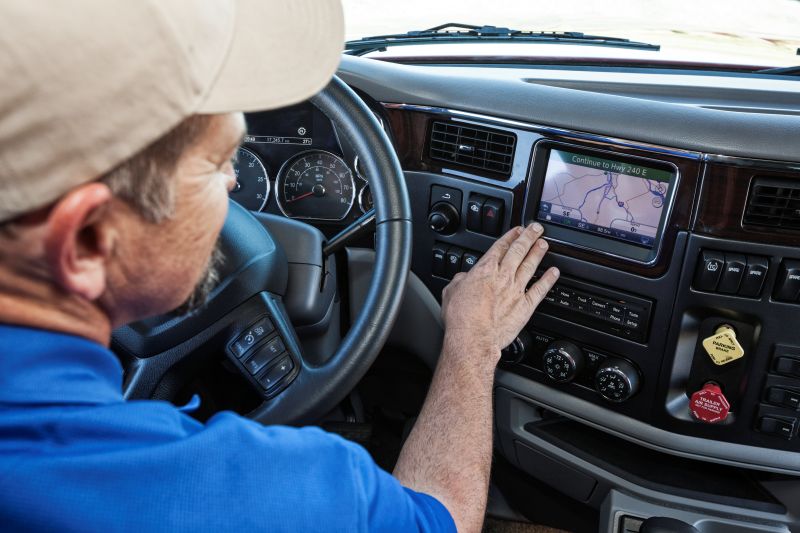
When Joshua Lewis climbed into his Maverick Transportation truck in 2020, he had no idea the small camera mounted on his dashboard was doing more than recording video. The DriveCam system, made by fleet safety company Lytx, was scanning his facial geometry—mapping unique points around his eyes, nose, mouth, and lips—feeding that data into artificial intelligence algorithms that monitored his every move.
Lewis didn’t give permission for this. He didn’t even know it was happening. And that became the foundation of the lytx trucker face scan lawsuit settlement that just concluded with a $4.25 million payout affecting thousands of truck drivers across America.
The Technology Behind the Controversy
Lytx’s Machine Vision and Artificial Intelligence system does more than simply record images inside truck cabs—it analyzes facial geometry data to identify driver actions in what amounts to constant surveillance. The technology can detect six distracted driving behaviors: smoking, cell phone use, eating and drinking, inattentiveness, not wearing a seatbelt, and general distracted driving.
The company’s DriveCam technology is deployed in more than 4,000 fleets nationwide, and Lytx boasts of holding data from over 100 billion miles of driving.
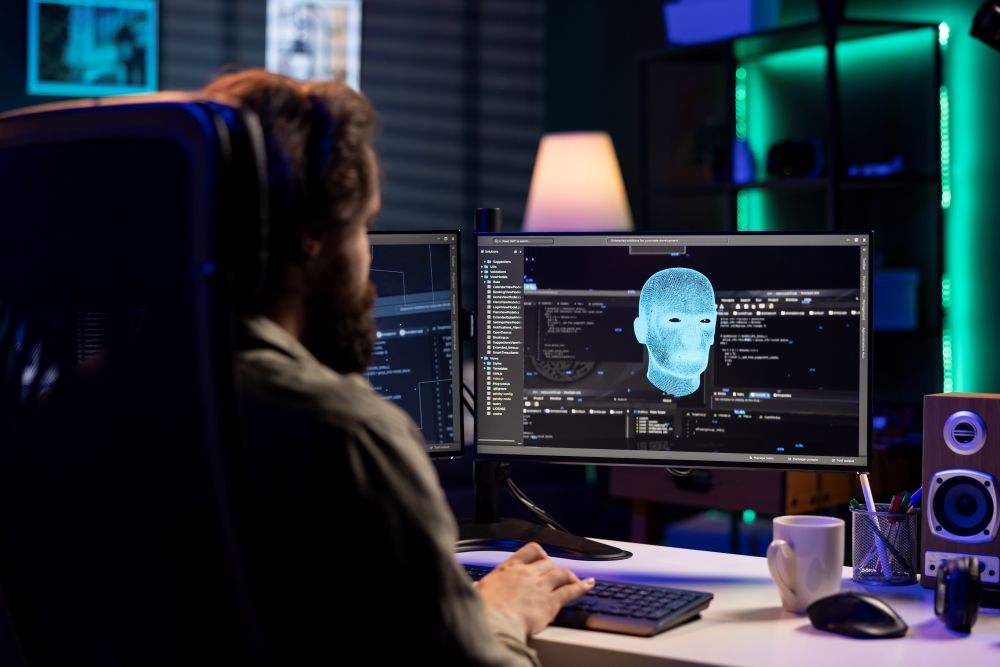
But Illinois law stepped in. The state’s Biometric Information Privacy Act, passed in 2008, requires companies to get written consent before collecting biometric data like fingerprints, iris scans, or facial geometry scans. Companies that fail to comply can face damages of $1,000 per violation for negligence, or $5,000 for intentional misconduct.
What Really Happened
The lawsuit kicked off in November 2021 when Lewis filed his initial complaint. Two other drivers—Nathaniel Timmons from Gemini Motor Transport and James Cavanaugh from Quikrete—joined the legal fight, and eventually their cases merged into one federal class action.
The complaint stated that “the implementation of this system is problematic because the DriveCam unacceptably violates the rights of truck drivers by scanning their faces and acquiring their face geometry and other biometrics in violation of their statutorily protected rights”.
The drivers’ legal team argued that Lytx never provided proper notice about what data was being collected, how long it would be stored, or what would happen to it.
Lytx maintained throughout the litigation that their technology doesn’t actually violate BIPA. The company stated its system “does not collect retina or iris scans, facial geometry, or any type of biometric data, for any purpose whatsoever,” and that the technology “detects driving behaviors, not the identity of a driver”.
Despite their denials, Lytx chose to settle rather than face a trial. In legal documents, the company stressed it was resolving the matter to focus on safety technology, calling BIPA litigation “an immense and costly distraction.”
The Numbers That Matter
The settlement distributed compensation to 3,599 drivers who filed valid claims, with 2,061 Illinois-based drivers receiving $631 each, while 1,538 out-of-state drivers received $845 each. The difference came from an even split of the settlement fund between Illinois and non-Illinois residents, despite fewer out-of-state participants.
For context, that’s substantially less than some other BIPA settlements in the trucking industry. A case involving truckers using BNSF facilities resulted in a $75 million settlement in early 2024. Even J.B. Hunt recently settled their own Lytx-related BIPA case for $976,276 covering about 4,102 drivers.
The Lytx settlement covered approximately 85,000 drivers whose biometric data was collected between October 2016 and January 2025, though only a fraction filed claims.
Lytx’s Response to the Legal Pressure
The lawsuit clearly rattled the company. In March 2025, Lytx introduced a geofencing feature called “Dynamic Adjust for Illinois Restrictions” that automatically disables in-cab recording technology when trucks enter Illinois and re-enables it upon exit. It’s a tacit acknowledgment that operating in Illinois under BIPA requires special handling.
The company insists its technology saves lives by preventing accidents. And they’re not wrong—distracted driving is a serious problem. But the legal saga raises uncomfortable questions about the trade-offs between safety technology and personal privacy, especially when workers aren’t told exactly what’s being collected about them.
The Broader Picture
This settlement is part of a much larger trend. Transportation companies across Illinois face mounting legal scrutiny over workplace biometric systems. Analysts project the biometric terminal market will surpass $133 billion by 2031, growing at 16 percent annually.
Illinois remains the only state with both comprehensive biometric privacy regulations and a private right of action that allows individuals to sue directly. That makes Illinois ground zero for privacy litigation.
For truckers, the message is clear: if you’re being monitored by AI cameras, you have rights. Companies can’t just flip a switch and start scanning your face without telling you what they’re doing with that information.
Frequently Asked Questions
Q: Am I eligible for the lytx trucker face scan lawsuit settlement if I drove a truck with a DriveCam? The claims period has ended, but the settlement covered drivers who operated vehicles equipped with Lytx DriveCam Event Recorders between October 12, 2016, and January 1, 2025, and had their facial data processed while driving in Illinois.
Q: Does Lytx still use facial scanning technology? Yes, but they now offer a geofencing feature that automatically disables the system when trucks enter Illinois. The company maintains their technology doesn’t violate privacy laws and continues operating in other states.
Q: What exactly is BIPA and why does it matter? BIPA is Illinois’ Biometric Information Privacy Act, passed in 2008. It requires companies to obtain written consent before collecting biometric data and to publish policies on how that data is stored and destroyed. It’s one of the strongest privacy laws in the country.
Q: Are other trucking companies facing similar lawsuits? Yes. Multiple transportation companies including J.B. Hunt, Old Dominion Freight Line, BNSF Railway, and others have faced or settled BIPA-related lawsuits over biometric monitoring systems.
Q: If I currently drive with a DriveCam, what should I do? Ask your employer for written information about what biometric data is being collected, how it’s used, how long it’s stored, and when it’s deleted. Under BIPA, you have the right to this information and to give informed consent.
The Lytx settlement represents a watershed moment in the ongoing tension between workplace surveillance technology and employee privacy rights. As AI-powered monitoring systems become standard in commercial vehicles, the legal framework protecting drivers’ biometric data has never been more important.
