

Workplace problems don’t always start with a dramatic firing or a formal complaint. Sometimes, they begin with a smaller pattern: […]
Workplace problems don’t always start with a dramatic firing or a formal complaint. Sometimes, they begin with a smaller pattern: a paycheck that doesn’t look right, a manager who keeps making inappropriate comments, a sudden schedule change after someone raises a concern, or a promotion process that feels suspiciously uneven.
Not every workplace disagreement requires legal action. People clash. Policies get misunderstood. HR makes mistakes. But some disputes carry bigger consequences, especially when they affect someone’s pay, job security, reputation, or right to work in a fair environment.
Here are several common workplace disputes where getting legal guidance may be worth considering before the issue gets worse.
Wage and Hour Disputes
Pay issues are among the most common reasons employees question whether their rights have been violated. These disputes can involve unpaid overtime, missed meal or rest breaks, off-the-clock work, misclassification as an independent contractor, or final paychecks that don’t arrive on time.
A simple payroll error can usually be fixed with HR or accounting. But repeated underpayment is different. For example, if an employee is regularly asked to answer calls after clocking out, work through unpaid breaks, or stay late without overtime pay, the issue may involve wage and hour laws. The U.S. Department of Labor explains that covered nonexempt employees are generally entitled to overtime pay for hours worked over 40 in a workweek at no less than one and one-half times their regular rate of pay under the Fair Labor Standards Act.
Employees should keep copies of time records, schedules, pay stubs, messages about work hours, and any written policies about breaks or overtime. Those details can help clarify whether the problem is a one-time mistake or a larger pattern.
Discrimination and Unequal Treatment
Discrimination disputes can be difficult because they’re not always obvious. It may not be as direct as a manager making an openly biased comment. Sometimes, it shows up through patterns: certain workers being denied promotions, being disciplined more harshly, receiving worse assignments, or being excluded from opportunities because of protected traits.
Protected traits can include race, sex, age, disability, religion, pregnancy, national origin, and other categories depending on the applicable law. A worker who suspects unequal treatment should avoid relying only on gut feeling. It’s better to document dates, decisions, comments, witnesses, and how similarly situated employees were treated.
This is also where legal guidance can help separate unfair management from potentially unlawful discrimination. If a worker is facing repeated biased treatment, denied reasonable accommodations, or pushed out after raising concerns, speaking with a workplace discrimination lawyer in LA may help them understand what evidence matters and what options are available.
Retaliation After Reporting a Problem
Retaliation can happen when an employee is punished for engaging in a protected activity. That might include reporting harassment, complaining about unpaid wages, requesting a disability accommodation, participating in an investigation, or raising safety concerns.
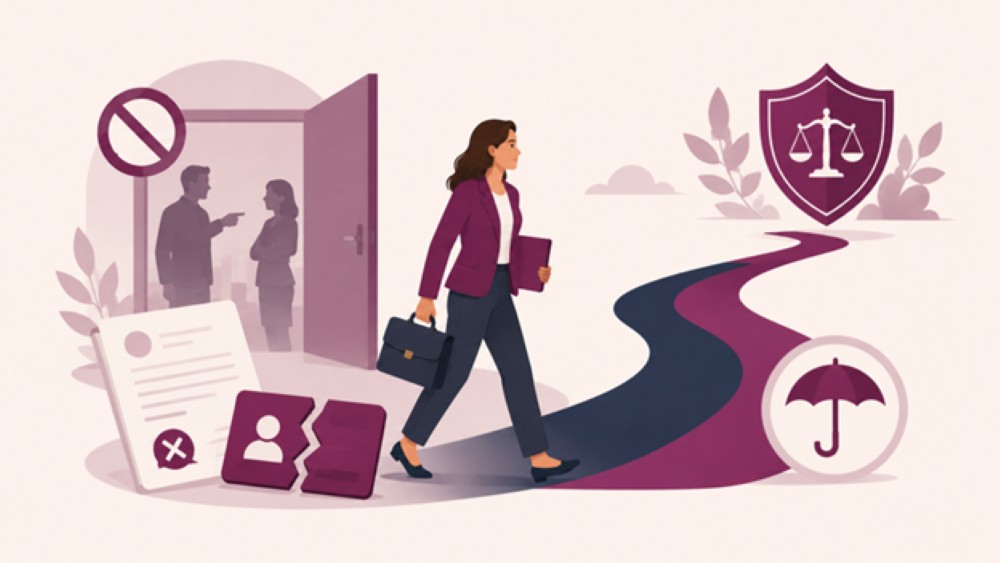
The tricky part is that retaliation often looks like ordinary workplace discipline at first. An employee complains about illegal conduct, then suddenly receives poor performance reviews, loses shifts, gets transferred to a worse role, or is written up for issues that were ignored before. Timing matters. So does consistency. If the employer treated the employee one way before the complaint and very differently afterward, that can raise questions.
Employees should save emails, HR complaints, performance reviews, text messages, and notes from meetings. It’s also helpful to write down when the protected complaint happened and what changed afterward. The closer the negative action is to the report, the more important the timeline can become.
Wrongful Termination and Forced Resignation
Many employees assume a firing is automatically illegal if it feels unfair. That’s not always true. In many places, employers have broad discretion to terminate employment. But a firing may become legally questionable when it’s connected to discrimination, retaliation, protected leave, whistleblowing, wage complaints, or refusal to engage in unlawful conduct.
Forced resignation can also be part of the picture. For example, an employee may not be formally fired, but the employer makes the situation so difficult that staying becomes unrealistic. That could include cutting hours dramatically, changing duties in a punitive way, isolating the employee, or creating intolerable working conditions after a complaint.
Before resigning, employees should be careful. Quitting can affect legal claims, unemployment benefits, and leverage. When possible, they should document what’s happening, ask for important instructions in writing, and avoid emotional messages that could be used against them later.
Harassment and Hostile Work Environment Claims
Workplace harassment is more than a rude boss or an unpleasant coworker. It may become legally significant when the conduct is severe or repeated and is connected to a protected characteristic. Examples can include sexual comments, racial slurs, mocking a disability, religious hostility, unwanted touching, or repeated offensive jokes.
Employees should report harassment through the company’s stated process when they feel safe doing so. That might mean contacting HR, a supervisor, or a designated reporting channel. Written reports are usually better than verbal ones because they create a record. Keep the message factual: what happened, when it happened, who was involved, who witnessed it, and how it affected the employee’s work.
Employers also have responsibilities once they’re put on notice. If a company ignores complaints, fails to investigate, or allows the conduct to continue, the dispute can become more serious.
Conclusion
Workplace disputes don’t need to be dramatic to matter. If a problem affects pay, safety, equal treatment, job security, or someone’s ability to report misconduct without punishment, it’s worth taking seriously.
The clearest takeaway: document early, communicate carefully, and get guidance before making big decisions like resigning, signing a severance agreement, or dropping a complaint. A calm paper trail often makes the difference between confusion and a clearer path forward.
