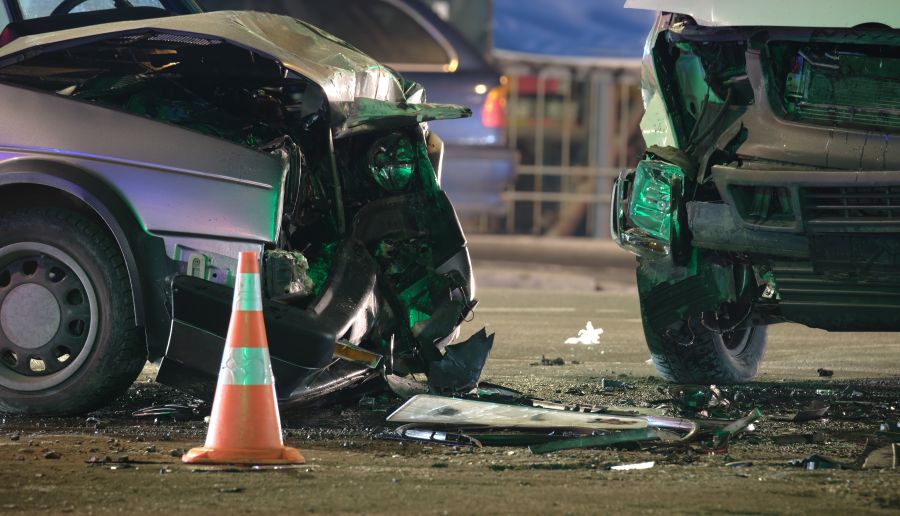

When the dust settles after a collision, victims face a jarring reality: 38% of accident survivors report that managing legal […]
When the dust settles after a collision, victims face a jarring reality: 38% of accident survivors report that managing legal proceedings while recovering from injuries creates more stress than the crash itself, according to the American Bar Association’s 2024 Client Experience Study. The physical trauma is immediate and visible, but the legal complexities that follow can drag on for months or years, creating a secondary crisis that many aren’t prepared to handle.
This dual burden has intensified as insurance companies have become increasingly aggressive in minimizing payouts, employing teams of adjusters and legal experts to scrutinize every claim. Meanwhile, medical costs continue to rise—the average emergency room visit for crash-related injuries now exceeds $15,000, and that’s before considering ongoing treatment, lost wages, and property damage. The stakes couldn’t be higher for victims trying to rebuild their lives.
What makes this particularly challenging is the timeline mismatch between recovery and legal action. Your body needs time to heal, but evidence deteriorates, witnesses’ memories fade, and statutes of limitations don’t pause for your physical rehabilitation. This creates an impossible tension: act quickly on legal matters when you can barely get out of bed, or risk losing your right to fair compensation entirely. Seeking experienced legal representation for injured drivers can help ensure your rights are protected while you focus on recovery.
The most successful outcomes happen when victims understand how legal professionals navigate this delicate balance between immediate medical needs and long-term legal strategy. Here’s what the data—and decades of practice—reveal about managing both priorities simultaneously.
What Is a Car Accident Lawyer and Their Role?
The term “personal injury attorney” covers a broad spectrum, but car accident lawyers represent a specialized subset focused specifically on motor vehicle collisions and their aftermath. Unlike general practice attorneys, these professionals dedicate their expertise to understanding vehicle dynamics, insurance law, medical terminology related to crash injuries, and the complex interplay between state traffic regulations and liability determination.
Their primary responsibility extends far beyond filing paperwork and negotiating settlements. These attorneys serve as both legal advocates and recovery coordinators, helping clients navigate the medical-legal intersection that defines post-crash life. They work with medical providers to document injuries properly, coordinate with insurance adjusters to protect clients’ rights, and manage the timeline pressures that can make or break a case.
Car accident law fundamentals center on negligence theory—proving that another party’s failure to exercise reasonable care caused the collision and resulting damages. This sounds straightforward, but modern accident cases involve layers of complexity that didn’t exist a generation ago. Today’s lawyers must understand everything from electronic data recorders in vehicles to the biomechanics of injury causation, often working with accident reconstruction specialists and medical experts to build compelling cases.
The legal landscape has shifted dramatically in recent years. Insurance companies now employ sophisticated data analytics to identify and challenge claims, while state legislatures continue modifying comparative fault rules and damage caps. A qualified car accident attorney stays current with these changes, understanding how a seemingly minor regulatory shift in one state might affect settlement strategies or trial approaches.
What distinguishes effective car accident lawyers is their ability to think like both medical advocates and legal strategists simultaneously. They understand that a client’s priority is healing, but they also know that certain legal deadlines can’t be ignored. This dual perspective shapes how they approach everything from initial case evaluation to final settlement negotiations.
How Do Car Accident Lawyers Manage Cases Post-Crash?
The immediate aftermath of a serious collision creates a perfect storm of urgent medical needs and time-sensitive legal requirements. Experienced attorneys have developed systematic approaches to manage this chaos without compromising either the client’s recovery or their legal rights.
Investigation and Evidence Gathering Techniques
Modern accident investigation begins within hours of the crash, often while the client is still receiving emergency medical care. Digital forensics has revolutionized this process—today’s vehicles contain event data recorders that capture crucial information about speed, braking, and steering inputs in the seconds before impact. Smart attorneys know they have a narrow window to preserve this data before it’s overwritten or the vehicle is repaired.
The investigation extends beyond the vehicles themselves. Traffic cameras, surveillance footage from nearby businesses, and even social media posts from witnesses create a digital evidence trail that didn’t exist twenty years ago. Attorneys now work with specialized firms that can analyze cell phone data to determine if distracted driving contributed to the crash, or use photogrammetry to recreate accident scenes from photographs.
Expert witnesses play an increasingly critical role in modern cases. Accident reconstruction specialists use sophisticated software to model collisions, while medical experts help explain complex injuries to juries who may not understand why a seemingly minor crash could cause permanent disability. The most effective lawyers maintain networks of these professionals and know which experts work best for different types of cases.
This investigation must happen quickly, but it also must be thorough. Evidence disappears, witness memories fade, and vehicles get repaired or destroyed. Attorneys who wait for their clients to feel better before beginning investigation work often find that crucial evidence has vanished forever.
Client Communication and Counseling Strategies
Managing client expectations while balancing recovery and legal needs requires both emotional intelligence and technical expertise. The best car accident lawyers understand that their clients are dealing with trauma that extends far beyond physical injuries—many experience anxiety, depression, and financial stress that can last long after broken bones heal.
Effective client communication strategies recognize that accident victims often can’t process complex legal information in the immediate aftermath of a crash. Smart attorneys use staged communication approaches, sharing only essential information initially while documenting everything for later discussion when the client is better able to participate in legal strategy decisions.
The counseling aspect of this work often gets overlooked, but it’s crucial for successful outcomes. Clients need to understand why certain medical treatments should be documented carefully, why they shouldn’t provide recorded statements to insurance companies, and why settlement negotiations might take months to resolve. Attorneys who excel at this balance provide regular updates while protecting clients from becoming overwhelmed by legal minutiae.
Many attorneys now use client portals and communication systems that allow accident victims to access case information at their own pace while ensuring nothing falls through the cracks. This approach respects the client’s recovery timeline while maintaining the aggressive legal advocacy that complex cases require.
What Types and Specializations Exist Among Car Accident Lawyers?
The complexity of modern vehicle accident law has created distinct specialization areas within the broader category of car accident representation. Understanding these distinctions matters because different types of crashes require fundamentally different legal approaches and expertise.
Wrongful death specialists handle cases where crashes result in fatalities, navigating the complex interplay between criminal proceedings, insurance claims, and civil liability. These attorneys must understand how to calculate economic damages for lost future earnings while also addressing the emotional trauma experienced by surviving family members. The legal framework for wrongful death claims varies significantly between states, making specialized knowledge crucial.
Uninsured and underinsured motorist claims represent another specialized area that’s becoming increasingly important as more drivers carry minimal or no insurance coverage. These cases require attorneys who understand how to maximize coverage under the victim’s own insurance policies while navigating the complex notification and cooperation requirements that can void coverage if handled incorrectly.
Multi-vehicle accident cases demand expertise in comparative fault analysis and coordinating claims against multiple insurance companies. When several vehicles are involved, determining liability percentages and managing multiple insurance adjusters requires sophisticated case management skills and deep understanding of how different insurance policies interact.
State-specific regulations significantly impact how car accident lawyers practice. No-fault insurance states like Florida and Michigan require different approaches than traditional tort states. Some states have damage caps that limit non-economic damages, while others allow unlimited recovery for pain and suffering. These regulatory differences shape everything from case evaluation to settlement strategies.
Licensing requirements vary by state, but most car accident lawyers must maintain continuing education in areas like medical terminology, insurance law, and trial advocacy. The most effective practitioners often pursue additional certifications in areas like accident reconstruction or traumatic brain injury litigation, developing expertise that sets them apart in complex cases.
What Ethical Considerations and Best Practices Guide Car Accident Lawyers?
The practice of car accident law involves unique ethical challenges that don’t exist in other legal specialties. Clients are often vulnerable, emotionally traumatized, and financially stressed, creating situations where the attorney’s ethical obligations become particularly critical.
Confidentiality concerns in accident cases extend beyond typical attorney-client privilege. Medical information, insurance communications, and financial records all require careful handling to protect client privacy while building effective legal strategies. Attorneys must navigate HIPAA regulations while working with medical providers, and they need systems to protect sensitive information from both opposing counsel and third parties.
Conflict of interest issues frequently arise in accident cases, particularly when multiple victims from the same crash seek representation or when insurance companies attempt to create conflicts between injured parties. Ethical attorneys have clear policies about when they can represent multiple clients and how to identify potential conflicts before they become problematic.
The contingency fee structure common in accident cases creates its own ethical considerations. Attorneys must clearly explain fee agreements and ensure that clients understand how costs and expenses will be handled. The best practitioners provide detailed written agreements that outline exactly what clients can expect throughout the legal process.
Best practices for negotiation and settlement handling require attorneys to balance zealous advocacy with realistic case evaluation. This means providing honest assessments of case value while fighting for maximum compensation. Ethical attorneys never pressure clients to accept settlements they believe are inadequate, but they also don’t create unrealistic expectations about potential outcomes.
Alternative dispute resolution methods like mediation and arbitration offer valuable tools for resolving cases without the stress and expense of trial. However, attorneys must ensure that clients understand these options and make informed decisions about whether to pursue litigation or alternative resolution methods.
How Do Car Accident Lawyers Approach Settlement and Litigation?
The decision between settlement and trial shapes every aspect of how car accident lawyers handle cases, requiring strategic thinking that balances client recovery needs with optimal legal outcomes.
Negotiation and Mediation Techniques
Modern settlement negotiations have evolved far beyond simple demand letters and counteroffers. Today’s negotiation strategies incorporate data analytics, comparative case analysis, and sophisticated understanding of insurance company decision-making processes. The most effective attorneys use technology to analyze similar cases and develop evidence-based settlement ranges that reflect realistic case values.
Mediation techniques have become increasingly sophisticated as courts and insurance companies embrace alternative dispute resolution. Skilled mediators help parties find creative solutions that might not be available through traditional litigation, such as structured settlements that provide long-term financial security or arrangements that include ongoing medical care coverage.
The timing of settlement discussions critically affects outcomes. Attorneys who push for early settlement often leave money on the table because the full extent of their client’s injuries hasn’t been established. Conversely, waiting too long can result in evidence deterioration or witness availability issues that weaken negotiating positions.
Successful negotiation requires understanding insurance company psychology and decision-making processes. Adjusters have settlement authority limits, and knowing how to navigate these internal constraints while building compelling cases often determines whether clients receive fair compensation.
Trial Preparation and Courtroom Representation
When settlement negotiations fail, the transition to litigation requires completely different skills and strategies. Trial preparation in accident cases involves coordinating expert witnesses, creating compelling visual presentations of complex accident scenarios, and preparing clients for the stress of courtroom testimony while they’re still recovering from their injuries.
Courtroom advocacy in accident cases requires attorneys who can explain technical concepts to juries while telling compelling human stories about how crashes have affected their clients’ lives. The most effective trial lawyers understand how to balance emotional appeal with factual evidence, creating presentations that are both technically accurate and emotionally compelling.
Pre-trial procedures have become increasingly complex as courts require more detailed disclosure of expert witnesses and evidence. Attorneys must coordinate medical experts, accident reconstruction specialists, and economic damage experts while managing discovery deadlines and motion practice.
The decision to go to trial versus accepting a settlement offer requires careful analysis of multiple factors including client health status, strength of evidence, jury pool characteristics, and opposing counsel’s track record. The best attorneys help clients make informed decisions by providing honest assessments of trial risks while ensuring they understand all available options.
What Are Current Trends and the Future of Car Accident Law?
The landscape of car accident law continues evolving rapidly as technology transforms both how accidents occur and how they’re litigated. Understanding these trends helps predict where the practice is heading and what skills will be most valuable for attorneys and clients alike.
Legal technology integration has revolutionized case management and evidence presentation. Cloud-based systems allow attorneys to access case files from anywhere, while sophisticated databases help identify relevant precedents and develop strategic approaches based on historical outcomes. Document automation streamlines routine tasks, allowing attorneys to focus more time on complex legal analysis and client counseling.
Data-driven case management uses artificial intelligence to analyze factors that influence settlement outcomes and trial results. Some firms now use predictive modeling to help evaluate cases and develop settlement strategies based on thousands of similar cases. This technology doesn’t replace attorney judgment, but it provides valuable insights that can improve client outcomes.
The emergence of autonomous and semi-autonomous vehicles is creating entirely new categories of liability questions. When an accident involves driver assistance technology or autonomous features, determining fault requires understanding software programming, sensor capabilities, and human-machine interaction in ways that traditional accident law never contemplated.
Legislative developments continue reshaping the practice landscape. Some states are modifying comparative fault rules or damage caps, while others are updating insurance requirements to reflect changing vehicle technology. Educational advancements in law schools now include coursework on technology and accident reconstruction that previous generations of lawyers never encountered.
The COVID-19 pandemic accelerated adoption of remote court proceedings and virtual mediation, changes that appear likely to persist. This shift affects how attorneys present cases and interact with clients, requiring new skills in digital advocacy and remote client counseling.
Market growth projections suggest continued expansion in the car accident law sector, driven by increasing vehicle complexity, rising medical costs, and growing awareness of legal rights among accident victims. However, this growth comes with increased competition and pressure to demonstrate value through improved outcomes and client service.
Looking forward, the most successful car accident lawyers will be those who embrace technology while maintaining the human connection that effective advocacy requires. The fundamental challenge—helping injured people recover both physically and financially from traumatic experiences—remains unchanged, but the tools and strategies for meeting that challenge continue evolving rapidly.
The intersection of recovery and legal advocacy will likely become even more sophisticated as telemedicine, digital evidence collection, and AI-assisted case analysis become standard practice. For accident victims, this means access to more precise legal strategies and potentially better outcomes, but it also underscores the importance of working with attorneys who stay current with technological and legal developments in this rapidly changing field.
