
A sick cat wanders into your barn. No collar, no chip, no owner in sight. You feed it, pull two […]
A sick cat wanders into your barn. No collar, no chip, no owner in sight. You feed it, pull two rotten teeth, deworm it, and two and a half years later a stranger’s lawyer sends a letter accusing you of theft. That is not a hypothetical — it’s the real situation facing Aimée Raclot, a woman in Augicourt, a small commune in France’s Haute-Saône region, and it’s why the phrase “Aimée Raclot cat lawsuit” has been trending across pet forums and legal blogs this year.
We dug through the French court filings, local reporting, and the family’s own statements to break down what’s actually happening, what the law says on both sides of the Atlantic, and why this case matters even if you’ve never set foot in France.
What Happened
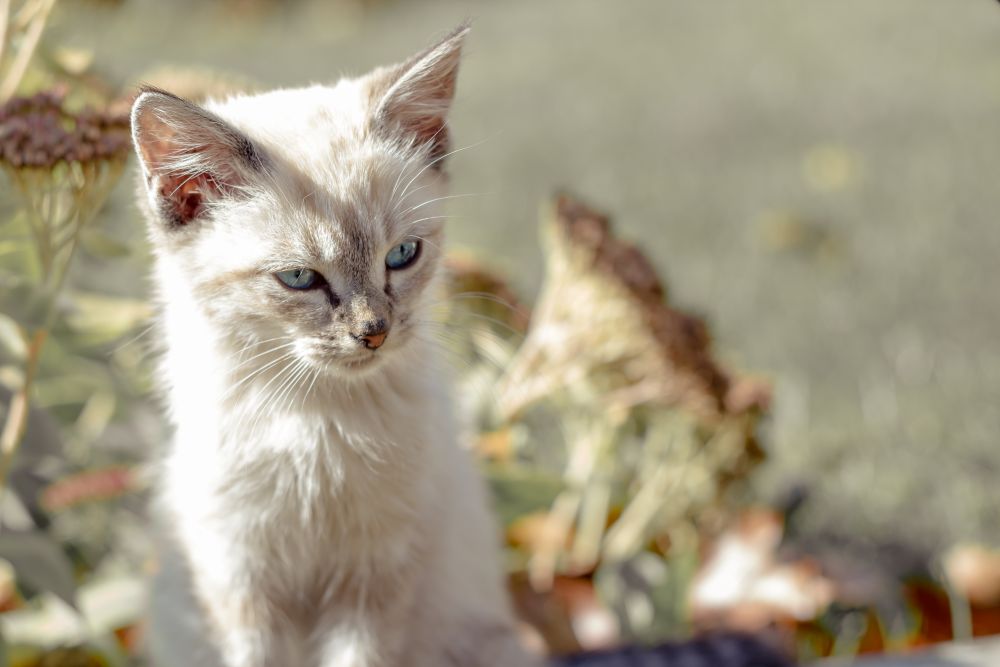
Raclot and her husband, Didier, found a young, visibly unwell cat in their barn. It had no microchip and no tag. Rather than turn it away, the couple treated its gum disease, had two teeth extracted, and nursed it back to health. Eighteen months later, believing no owner would ever come forward, they formally adopted the cat — they call him Pompon — and registered him under their own name with a new microchip.
About a year after that, a woman contacted Raclot asking whether her daughter could take the cat to Spain for a holiday and “give him back” afterward. Raclot refused, partly out of attachment and partly because the cat was now legally hers under the new registration. Soon after, the family that made the request filed a criminal complaint, claiming the cat — whom they call Flocon — had been theirs since birth, and that their veterinary records prove it.
Raclot was summoned to a gendarmerie station, required to sit for an identification photo, and was told a DNA test could be requested. She has publicly said the experience felt “worse than being treated like a hardened criminal,” and has pointed out that French courts are dealing with far more serious matters while she faces potential correctional prosecution over a family pet.
What French Law Actually Says
This is where the case gets genuinely useful for pet owners, not just dramatic. Under French rural and civil code provisions, an unidentified stray animal that goes unclaimed can, in practice, be treated as abandoned — which is the argument Raclot’s side is making. But the opposing family’s attorney says phone records and prior correspondence support their claim of continuous ownership, which is why prosecutors allowed the investigation to proceed instead of dismissing it outright.
The unresolved legal question sitting underneath this whole dispute is simple: how long does an owner have to go silent before a rescuer’s care and registration override the original claim? France doesn’t have a hard statute-of-limitations number for stray cats the way it does for lost property in some contexts, which is exactly why this case has become a reference point.
Why U.S. Pet Owners Should Care
The United States doesn’t have a single federal answer either — pet custody and “finder’s” statutes vary wildly by state. In most U.S. states, a found companion animal is legally treated as lost property, and many states set a specific holding period (often 3 to 14 days, sometimes longer for microchipped or licensed animals) before a shelter or finder can claim ownership. But very few of those statutes contemplate a scenario like Raclot’s, where a family privately fosters an animal for years with no shelter involved at all. That gray area exists in nearly every U.S. jurisdiction, too.
Voices From the Rescue Community
“I fostered a senior cat for four years before anyone asked about her. If someone showed up demanding her back, I don’t think most courts would know what to do with that,” says Marisol Tan, a longtime foster coordinator with a Texas-based cat rescue network, describing the kind of dispute rescuers increasingly worry about as microchip scanning becomes more common at vet visits.
“Cases like this are exactly why we tell every foster-to-adopt family: register the microchip immediately, keep every vet receipt, and document the date you found the animal,” adds James Okafor, a paralegal who works with animal welfare nonprofits.
The Numbers Behind the Story
Roughly 3.2 million cats enter U.S. shelters annually, and industry estimates suggest only a small fraction of found strays are ever microchipped before adoption, which is precisely the documentation gap at the center of the Aimée Raclot cat lawsuit.
FAQs
Is the Aimée Raclot cat lawsuit a criminal or civil case? It’s currently a criminal theft complaint under French law, though a conciliation process was also attempted before the case could move to correctional court.
Did Aimée Raclot get to keep the cat? As of the most recent reporting, the cat remains in the Raclot household while the case proceeds — no final court ruling has been publicly confirmed yet.
What is the cat’s name — Pompon or Flocon? The Raclot family calls him Pompon; the family claiming prior ownership says his name has always been Flocon, according to veterinary records they’ve submitted.
Can someone in the U.S. be sued for keeping a stray cat? Yes, in theory. Most U.S. states allow a “true owner” to file a replevin (property recovery) claim, but success usually depends on proof of prior ownership and how long the animal went unclaimed.
What should I do if I find a stray cat to avoid legal trouble? Scan for a microchip immediately, report the find to local animal control or a shelter, keep dated records of vet visits, and follow your state’s specific stray-holding-period law before treating the animal as your own.
